ETHAKA
A Sustainable Agricultural Production and Consumption Model for Climate Resilience and Food and Nutrition Security
Mozambique
This 3.5–year project titled ETHAKA, led by ICEI, concluded late 2025, aimed at promoting agroforestry and reforestation models, all grounded in agroecology and syntropic agriculture (SAF), in Mozambique. The project shows positive results on dietary diversity scores, strengthened institutional commitments, as well as environmental and economic benefits.
Lead organization
LEAD ORGANIZATION:
Istituto Cooperazione Economica Internazionale (ICEI) ,an Italian NGO established in 1977 whose mission is to work with people and local communities to improve social and economic conditions and to promote inclusive, equitable and sustainable societies in a participatory way, targeting vulnerable populations, especially women and youth. ICEI runs 29 projects implemented in 20 countries.
PARTNER ORGANIZATIONS:
The project also involved diverse multi–stakeholders as co-implementing partners: Mani Tese, Istituto OIKOS, Helvetas – Swiss intercooperation, SPA–Zambézia, DPAP–Nampula, UniLúrio , UniZambeze and the Municipality of Milan.
Main beneficiaries
Main beneficiaries are smallholder farming households; women and youth; adolescents, pregnant/lactating women, children under 5; government technicians and extension workers; municipal, provincial, and national institutions.
Country
Mozambique
Timeline
June 2022 – December 2025
Funding
The budget ran from 2022 toin 2025 (spanning 3 and a half years).
The project had a total budget of EUR 3 786 646 funded by the Italian Agency for Development Cooperation (AICS).
Mission
The mission is to promote agroforestry and reforestation models grounded in agroecology and syntropic agriculture (SAF), contributing to food security in Mozambique by improving nutrition and income through the adoption of sustainable and resilient agricultural production and consumption systems that meet the population’s nutritional needs.
Context
Mozambique is severely affected by climate change and biodiversity loss, impacting agriculture, food security, and rural livelihoods. Over 70% of Mozambican population depends on low-resilience agriculture. Mozambique ranks 107th out of 127 in the Global Food Security Index. Chronic malnutrition affects children and women, with only 52% of women meeting minimum dietary diversity. The country also faces soil degradation challenges: 25% of Mozambique’s territory shows declining soil productivity. Practices like deforestation and slash-and-burn agriculture worsen soil degradation and threaten sustainability. Mozambique ranks 153rd in climate adaptation readiness. Agroforestry offers a key strategy to build resilience against extreme weather events, improving water retention, and biodiversity. Finally, over 74% of Mozambicans live below the poverty line. Agriculture is the main source of income but remains low-yield and vulnerable to environmental shocks.
Strategy
Objectives
- The general objective is to ensure that households and institutions in Zambézia and Nampula adopt a sustainable, resilient agricultural production and consumption model that responds to the population’s nutritional needs.
Specific Objectives are to:
- Increase, diversify, and add value to agricultural production through circular, agroforestry-based systems, with a focus on women and youths;
- Promote public policies aligned with sustainable agriculture and resilient food systems; and
- Improve access to safe and nutritious foods, especially for adolescents, pregnant and breastfeeding women, and children under five.
Activities
The project activities followed four main topics: Agroforestry Implementation (SAFs), Nutrition and Food Security, Establishment of an Agroforestry Innovation, Diffusion and Training Centre (CISAF), and Institutional Capacity Building and Policy Advocacy.
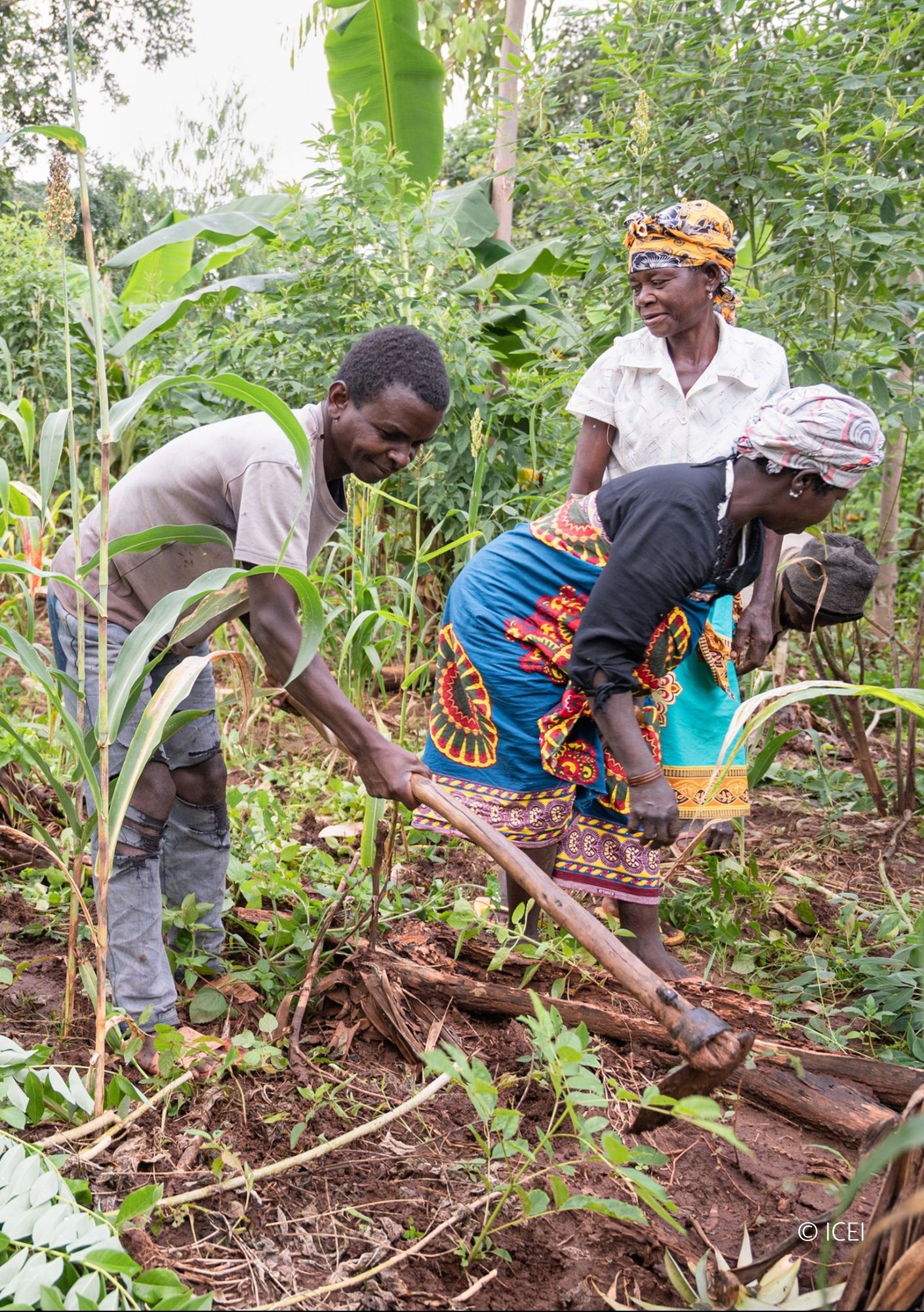
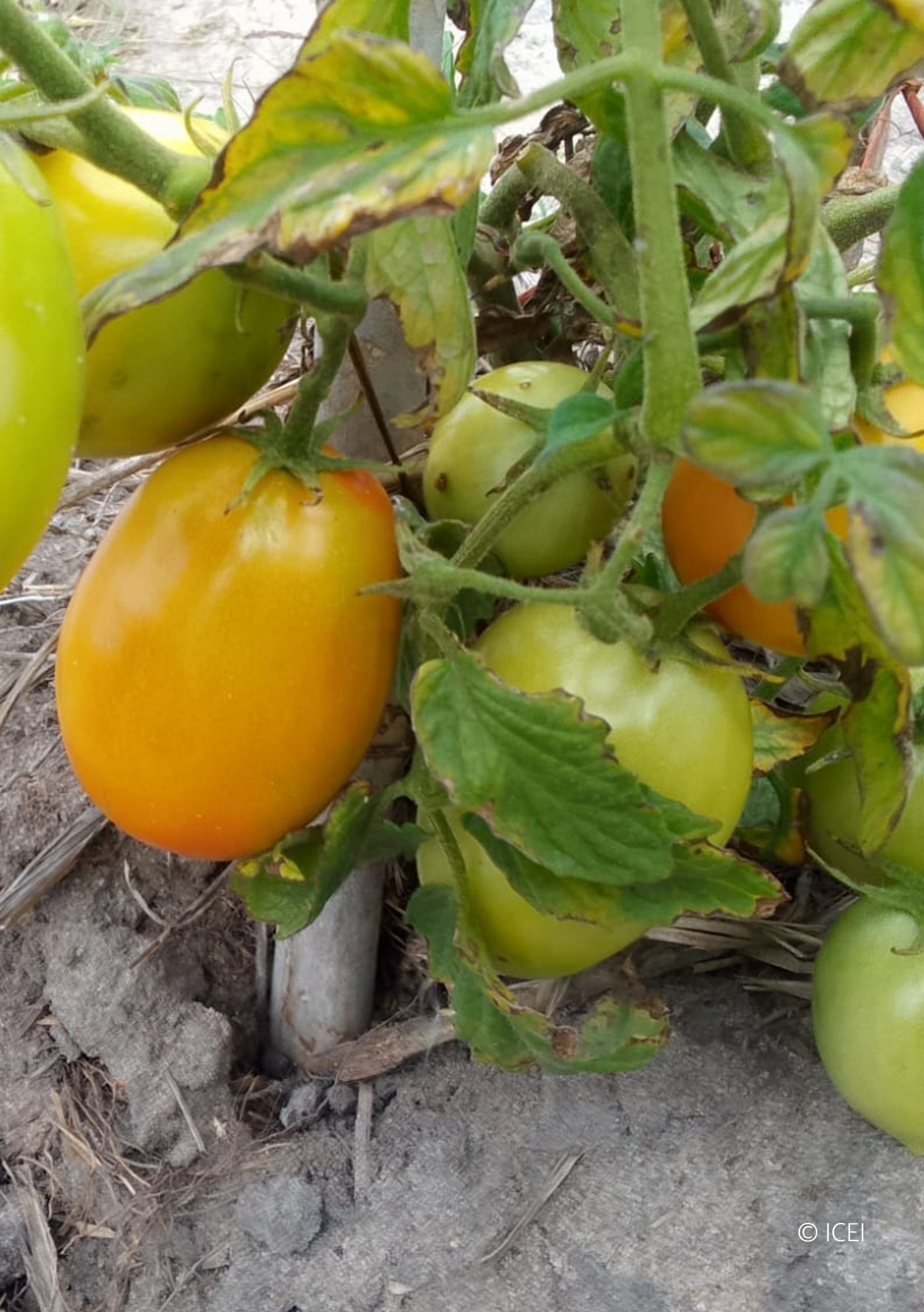
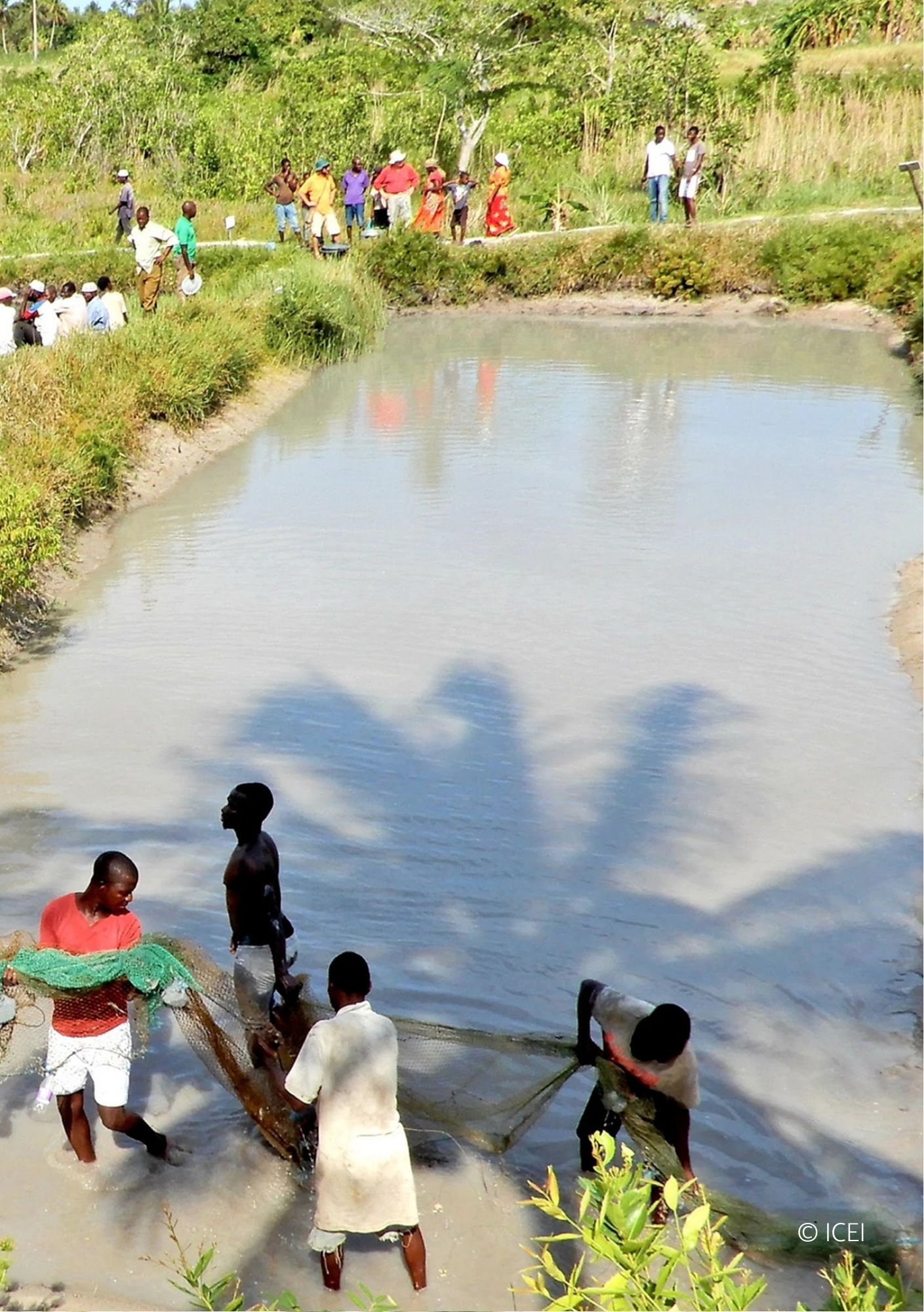
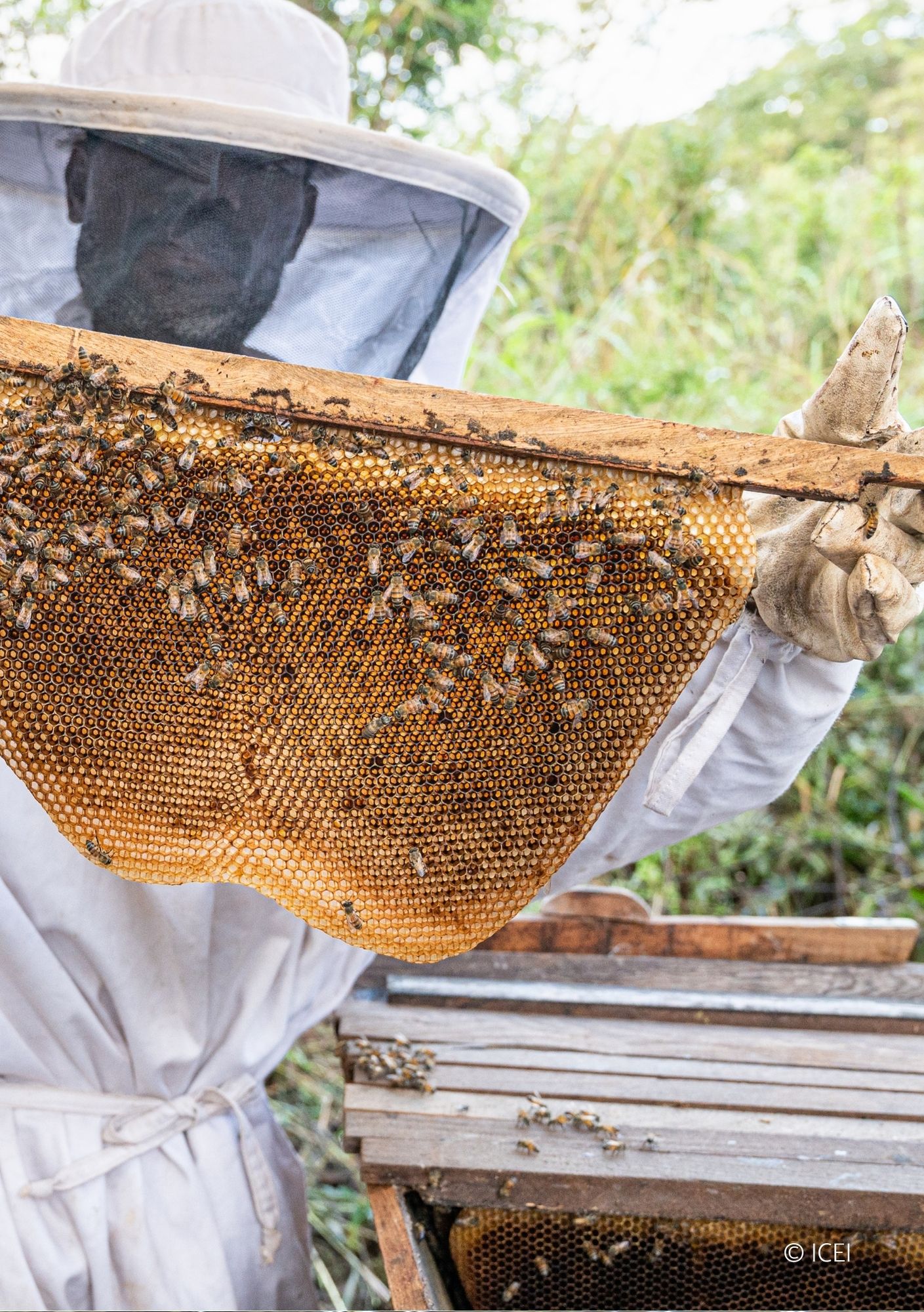
Regarding Agroforestry Implementation (SAFs), the project introduced regenerative production models and chemical-free food production promoting circular systems. It focused on practices positive for soil restoration, biodiversity, and resilience to desertification and floods such as diversified horticulture via solar-powered irrigation and the integration of native species. The project also integrated fish farming and other food sources. Beekeeping activities were also implemented for honey production and biodiversity protection. The project ensured forest restoration to improve carbon capture. To strengthen rural value chains and local enterprises, the project supported smallholder farmers in improving post-harvest handling, basic processing, and collective marketing of agroforestry products such as horticultural crops and honey.
Regarding Nutrition and Food Security, nutritional screening for children and women was conducted with the support of a nutrition specialist, in collaboration with trained project technicians, to identify nutritional gaps and guide targeted interventions. Nutrition education was delivered through practical cooking demonstrations using locally available foods, interactive training sessions, and community awareness campaigns. These activities connected agroforestry production with dietary diversification, highlighting the health benefits of balanced diets for women and children and promoting improved food preparation and consumption practices.
The project established a Centre for Innovation, Dissemination and Lifelong Learning in Agroforestry Systems (CISAF) in October 2025, located in Quelimane, Zambezia Province. Hosted within Lucungo University to ensure long-term institutional sustainability and technical support, CISAF serves as a hub for innovation and capacity development in agroforestry and regenerative agricultural systems. CISAF promotes applied research and field experimentation, continuous training for extension workers and public-sector staff, and the dissemination of best practices in agroecology and syntropic agriculture. It also contributes to policy development through evidence-based advocacy and facilitates multi-stakeholder dialogue among academia, public institutions, civil society, and the private sector. Supported by FAO, IUCN, universities, and government bodies, CISAF fosters an enabling environment for the scaling up of sustainable agroforestry systems and the mobilization of impact-oriented investments and strategic partnerships, aligned with long-term environmental resilience and inclusive economic development.
The project significantly strengthened institutional capacities by reinforcing public agricultural extension services through in-person, hands-on, and theoretical training on agroforestry systems and sustainable agricultural practices for government officials and technical staff.
Beyond capacity building, the project established a Multi-sectoral Task Force on Sustainable Food Systems, bringing together key project partners, including government representatives, academic institutions, civil society organizations, and international agencies. The Task Force served as a structured platform for joint learning, systems analysis, and policy co-creation, with a particular focus on the role of agroforestry in enhancing food security, livelihoods, climate resilience, ecosystem restoration, and social well-being.
Through this process, the Task Force not only strengthened members’ technical and strategic understanding of agroforestry-based food systems, but also developed concrete policy proposals, articulated in policy briefs and position papers. These recommendations were presented and discussed at provincial and national levels in Mozambique, contributing to national and sub-national policy dialogues on sustainable agriculture, food systems, and climate resilience.
Outcomes and lessons learned
Outcomes
- The project increased dietary diversity scores and achieved an improvement in women’s dietary diversity, reaching an overall MDD-W (Minimum Dietary Diversity for Women) average of 27.4%. Over 400 households were directly supported across Namacurra, Maganja da Costa, Mossuril and Quelimane. The project also strengthened institutional commitment. This culminated in the establishment of CISAF, the creation of a multi-stakeholder Task Force, and the Task Force’s implementation of two policy recommendations on sustainable agroforestry, supporting the integration of these practices into government strategies.
Enabling conditions
- At first, there was community resistance and initial skepticism, but visible results from demonstration plots convinced communities of the benefits.
- Agroforestry proved more complex than monoculture, requiring careful planning and management, but it delivered long-term benefits such as improved food security, diversified diets, and additional income sources for households.
- Choosing native crops based on local tradition and field experimentation – such as mango and papaya trees, local beans, and traditional vegetables – proved to be more efficient, as these species are better adapted to the local climate and soil, more resilient to pests and diseases, and culturally accepted by communities.
- Longer project duration, such as at least three years, shows better, full results.
- Agroforestry fields resisted damage and enabled improved water absorption after cyclones.
- Looking ahead, ICEI aims to expand SAF models to Tanzania, Brazil, and Colombia, positioning regenerative agroforestry as a driver of socioeconomic development.
Limiting barriers
- Land tenure security: demonstration plots are used, though issues persist at time: limited availability of land for agroforestry expansion and unclear land rights in certain communities
- Resources are needed to scale up: expansion has proven success on a small scale.
- Market integration requires consistent supply and better market access for smallholder farmers.
- Biomass generation is labor-intensive, especially in the first year.
Today our children have access to healthier and more diversified food than before. In the project we learned how to better prepare food for our families, and after improving nutrition, children started to gain weight and become healthier.