National Agroecology Strategies and Laws Worldwide
What is a National Agroecology Strategy?
A National Agroecology Strategy (NAS) is an official government framework that defines how a country will promote, scale up, and institutionalize agroecology within its food system.
Depending on national legal frameworks and political contexts, these instruments may take different forms. In some countries, they are adopted as laws or decrees; in others, they have a different framing and don’t explicitely mention agroecology but are anchored on the principles and elements of agroecology. In Africa for instance, many countries use titles such as National Ecological Organic Agricultural Strategies.
Regardless of their format, their core objective is the same: to create an enabling environment for the transition toward agroecological food systems.
Why is this relevant now?
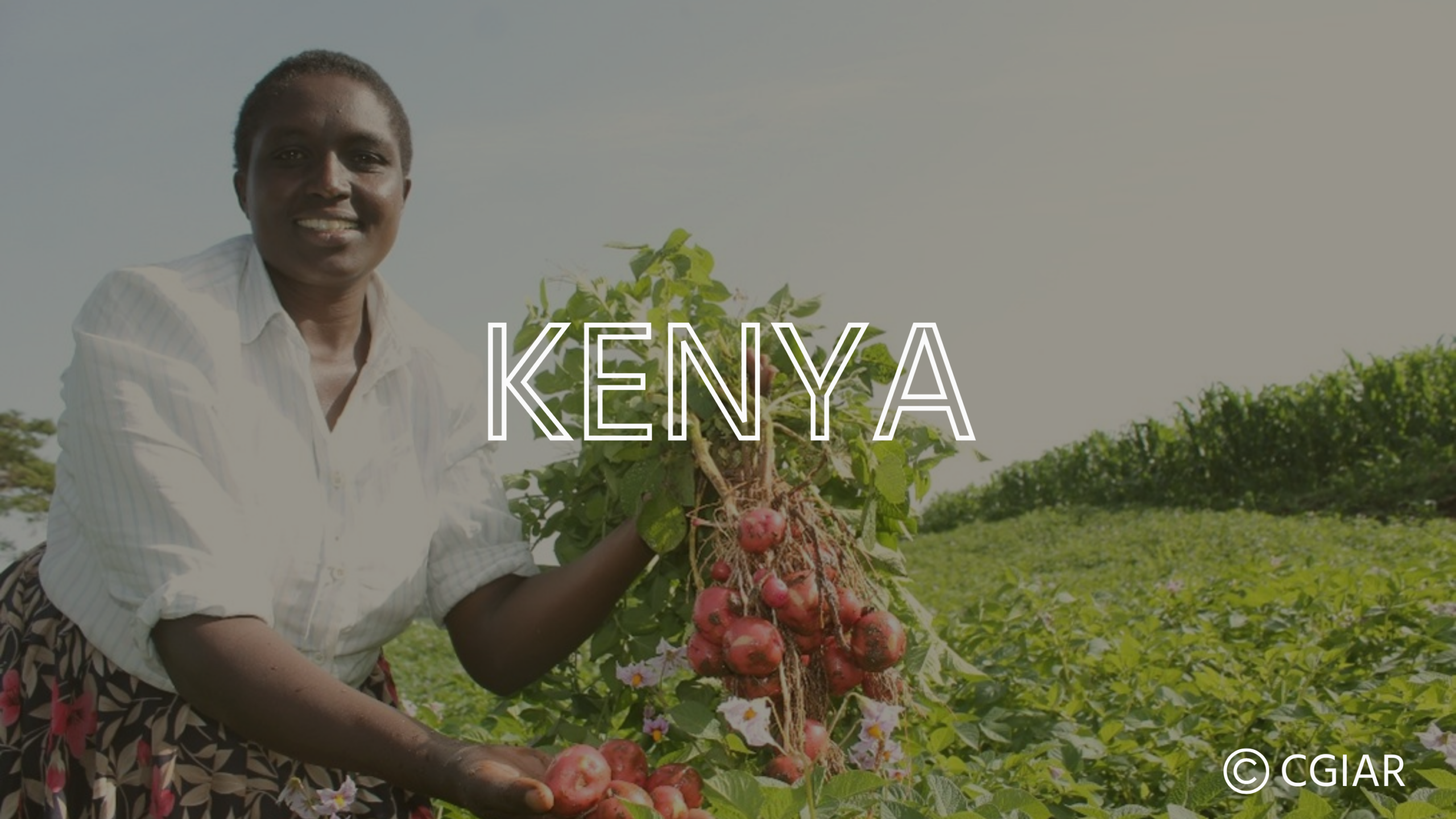
As of March 2026, the following countries have adopted National Agroecology Strategies or Laws: Benin, Bolivia, Brazil, Burkina Faso, Colombia, Cuba, Dominican Republic, Ethiopia, Kenya, Tanzania, Tunisia, and Uruguay. Others are also in the process of developing or validating one: Ethiopia, Laos, Malawi, Nepal, Uganda, South Africa, Zambia and Zimbabwe.
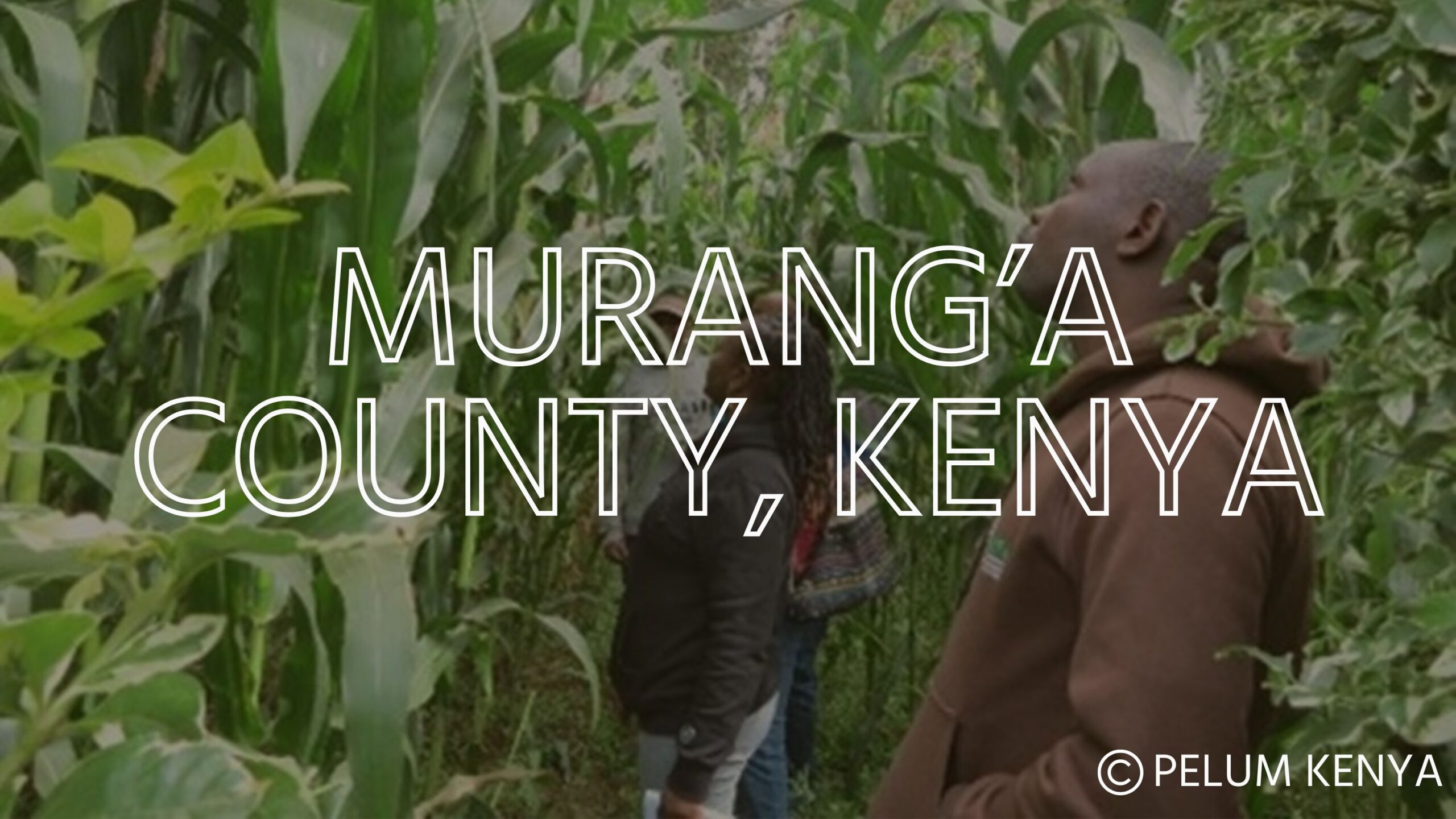
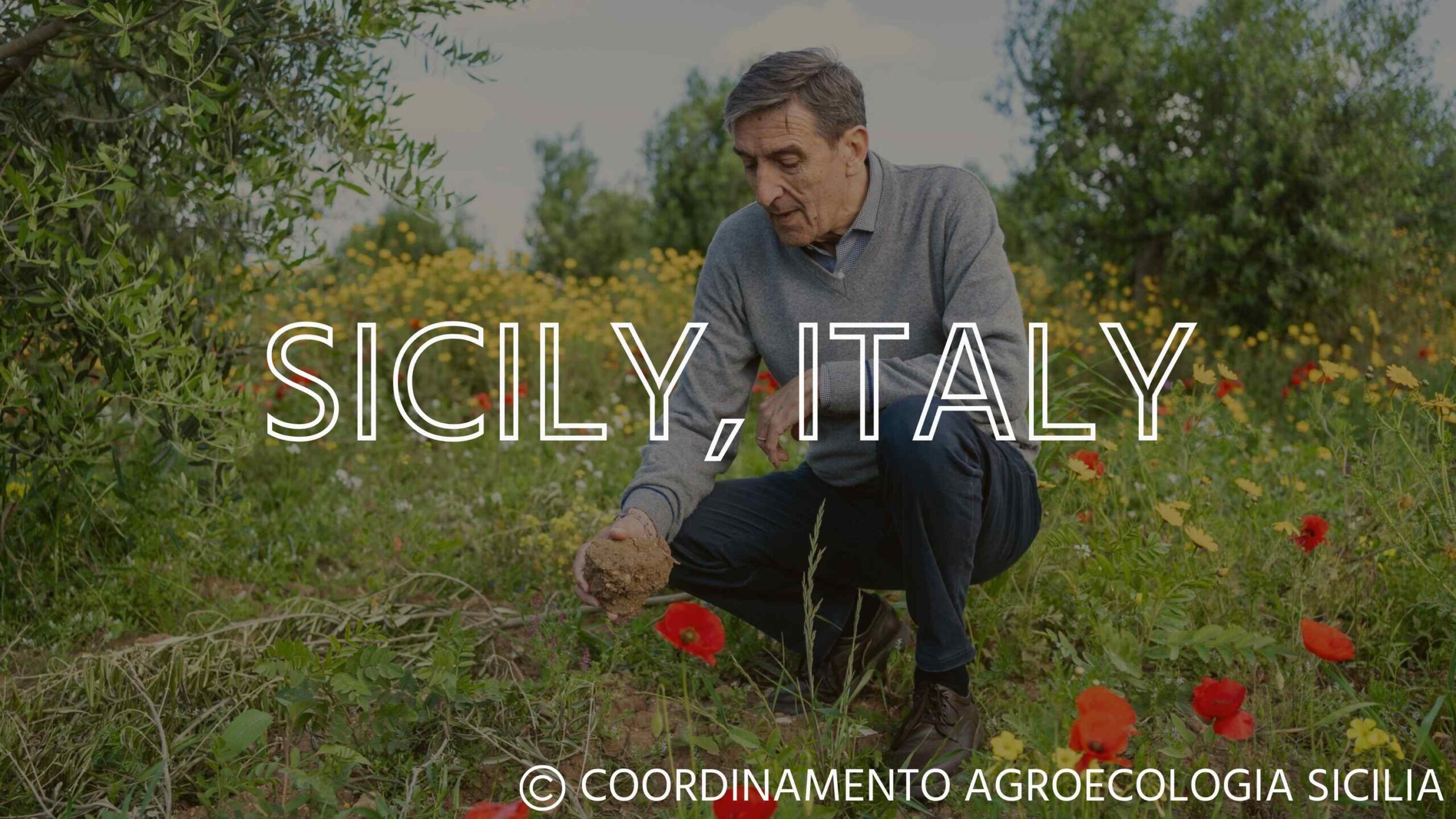
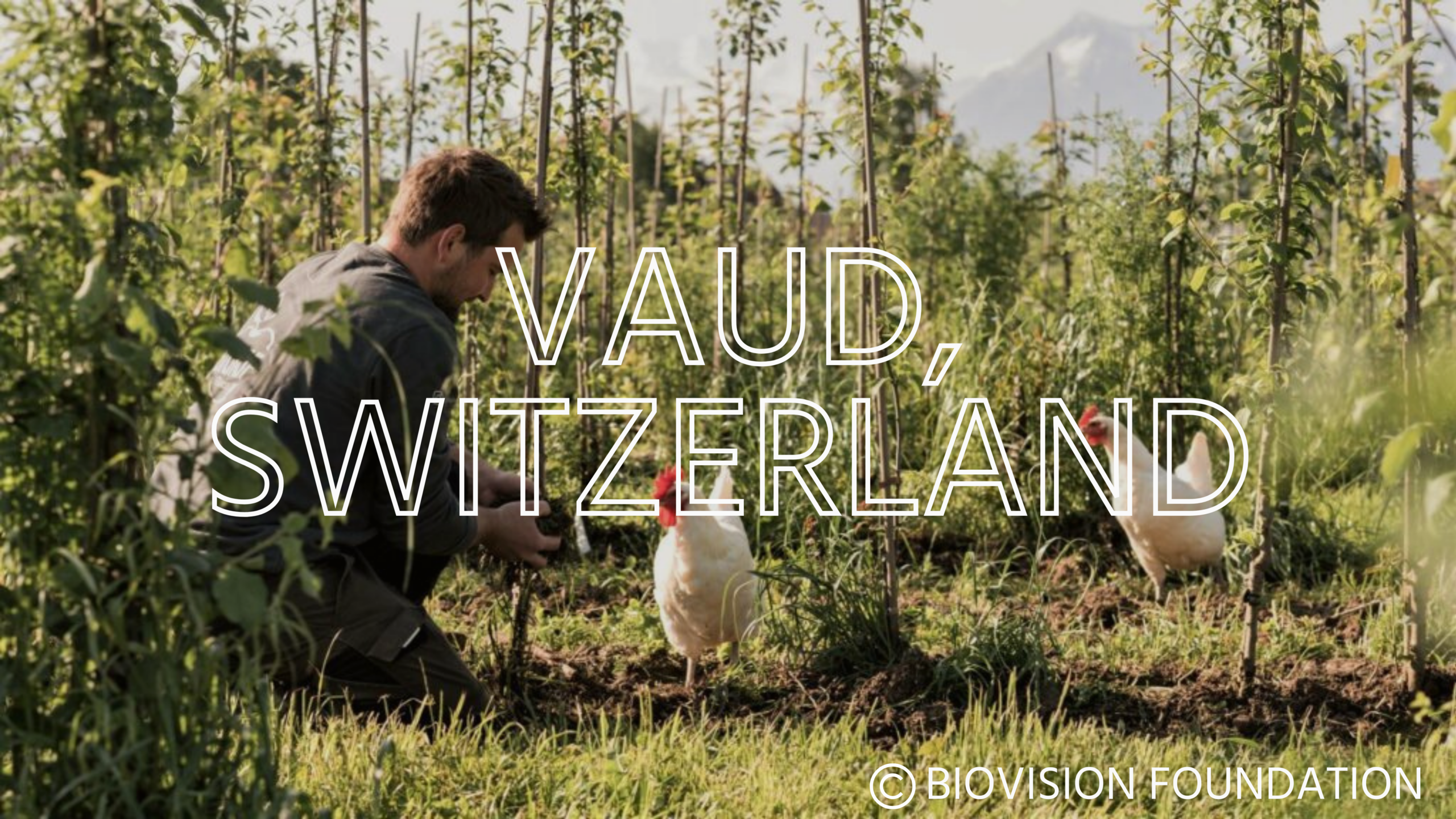
Many sub-national governments have also adopted laws, policies or strategies to support agroecology at local level, including a dozen in Brazil, several in Kenya (including Murang’a County, member of the Coalition), as well as Sicily (Italy) and Vaud (Switzerland).
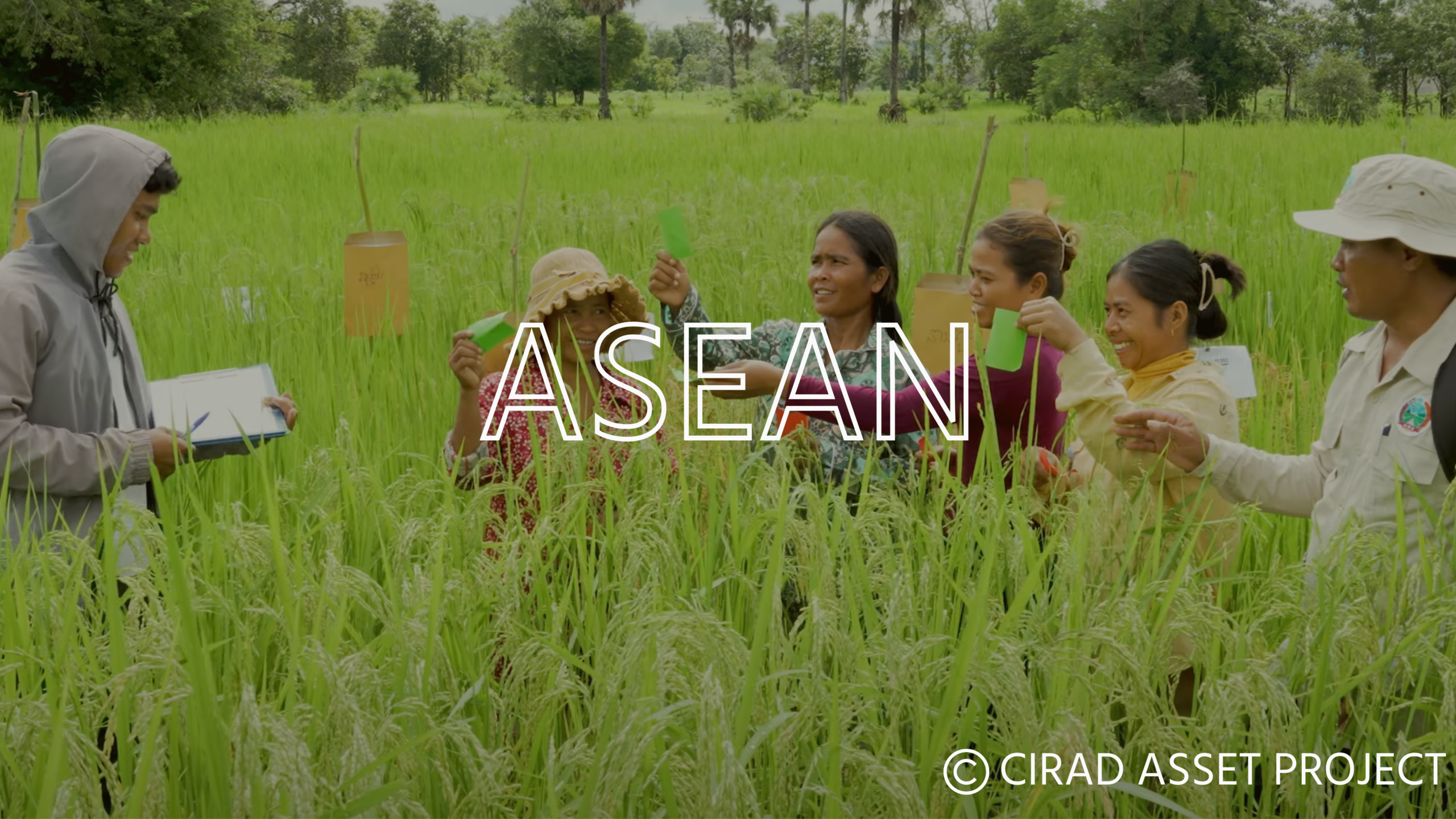
In addition to these initiatives at national and subnational levels, we also noted recent regional developments to promote agroecology in Asia through the Association of Southeast Asian Nations (ASEAN) Policy Guidelines on Agroecology Transitions, in the Eastern African Community thanks to the East Africa Legislative Assembly Motion on Agroecology, and in Latin America and the Caribbean via the PARLATINO Model Law on Agroecology Promotion.
All of these strategies and laws have been adopted since 2011, with the majority approved within the past three years. Notably, three countries and one subnational government adopted their strategies in 2025 alone, and additional ones are expected in 2026.
This acceleration marks a significant shift in the global food systems landscape. It signals growing political recognition of agroecology as a strategic pathway toward more resilient, sustainable, and equitable food systems, and reflects a broader international momentum toward scaling agroecology.
National Agroecology Strategies and Laws in Countries





Sub-national Agroecology Laws
Regional Agroecology Guidelines and Laws
Key Resources
Sub-National Policies for Agroecological Transitions. Summary Brief (August 2026) by Agroecology Coalition, FAO, Biovision, Persimmon Co-LabHimalayan Agroecology Initiative.
P2P workshop – From Strategy to Action: Advancing National Agroecology Strategies (NAS)- Biovision
Do you want to send any suggestion or feedback about the information on this page?
Banner picture credits: Pexel