Agroecology in Frontier Territories
Colombia
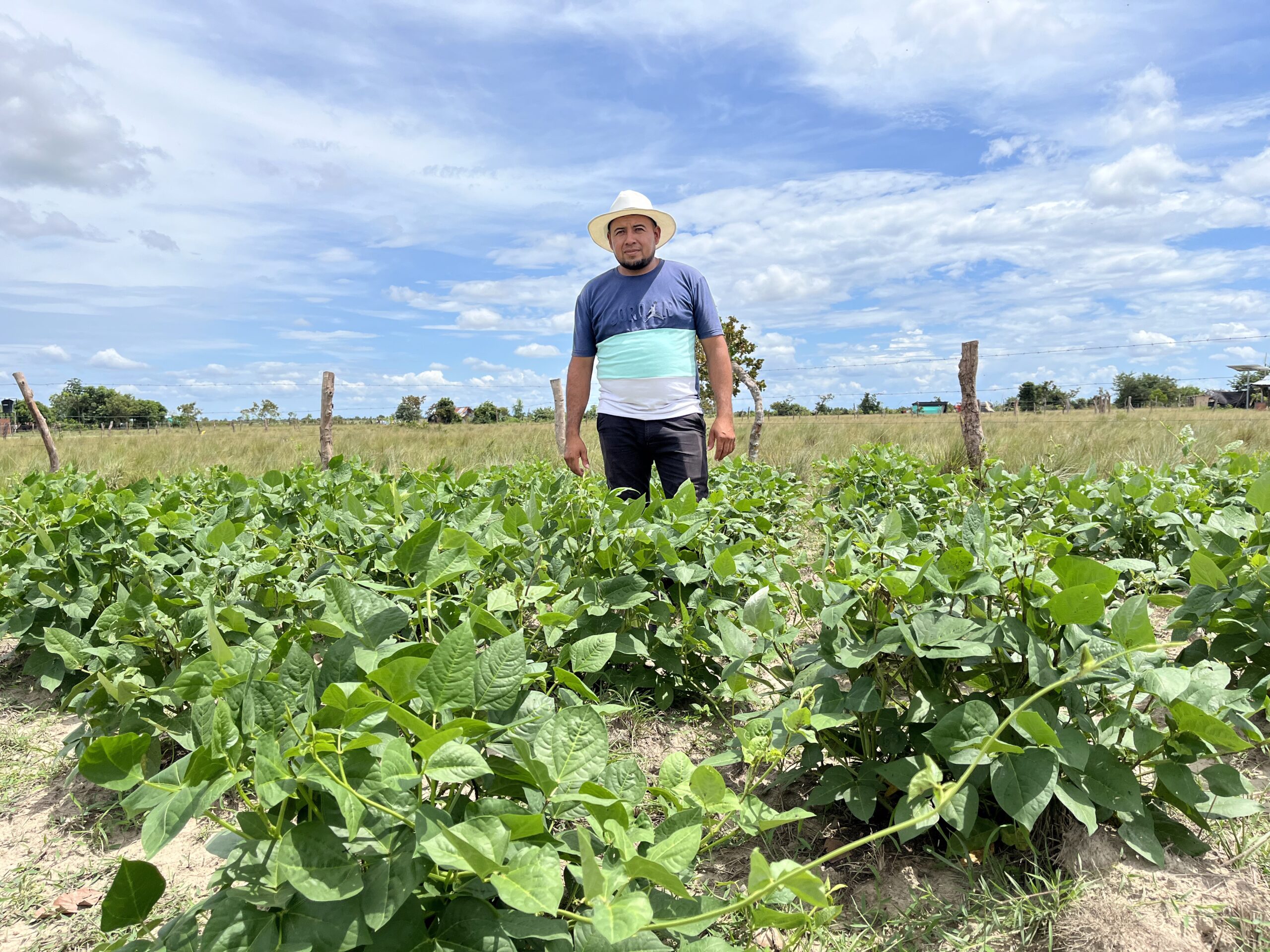
This project implemented in Colombia began with an ecosystem analysis, followed by restoration and rehabilitation actions to recover degraded areas, enhance biodiversity, improve water efficiency, and support food security through agroecological production and organic matter transformation. Initiatives being implemented include sustainable conucos (traditional agroecological plots), community gardens, and home agroecological gardens that ensure continuous access to diverse foods.
Lead organization
Fundación Alpina is an independent foundation with 18 years of experience, works to strengthen rural livelihoods in vulnerable territories of Colombia. Its mission focuses on supporting rural families’ life projects, promoting social empowerment, and fostering knowledge generation and exchange. The organization operates through integrated regenerative systems aimed at caring for, restoring, and strengthening rural ecosystems.
Country
Colombia
Timeline
The project started in April 2023 and ended in December 2026:
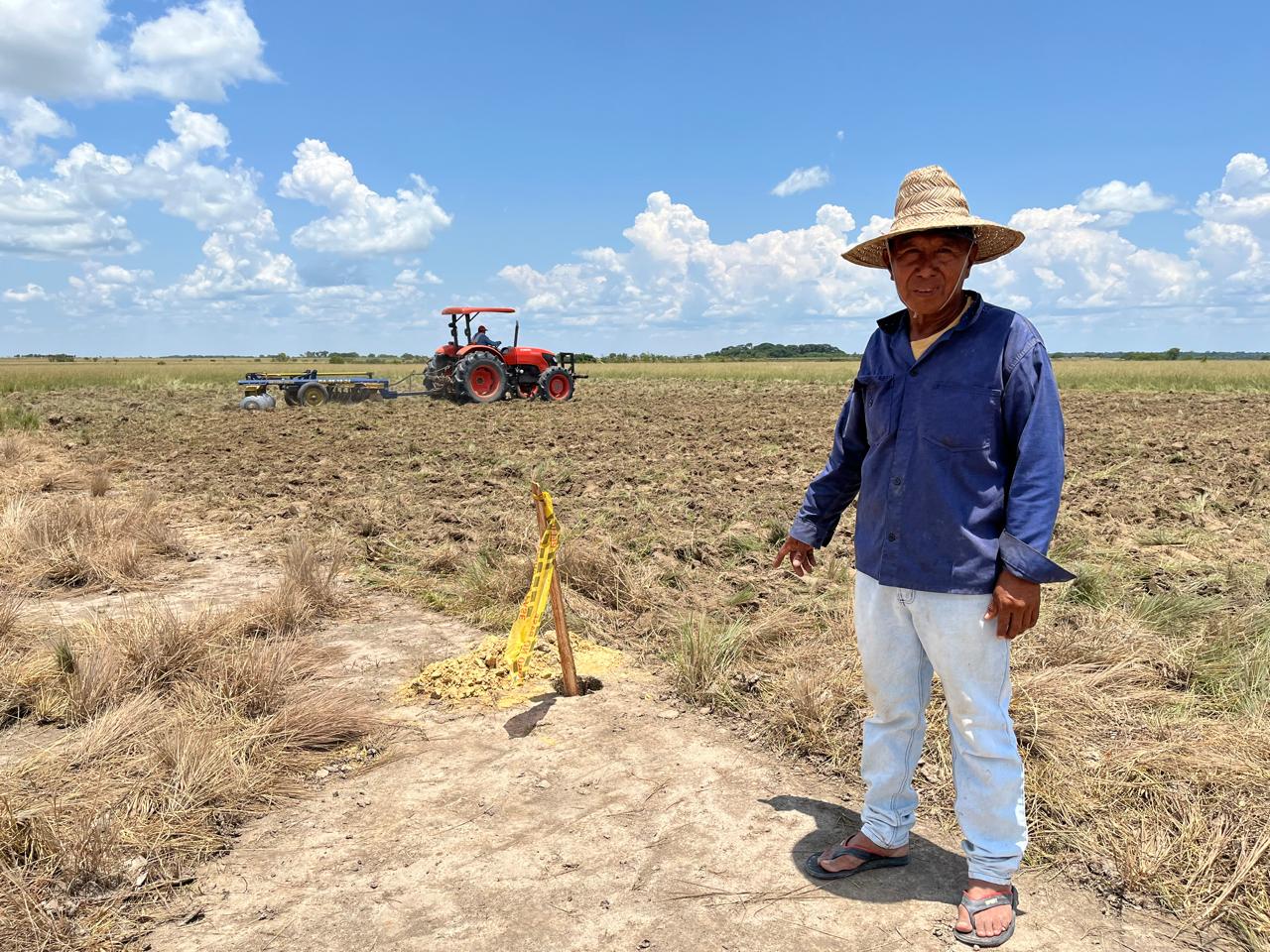
- April 2023 – Project launch: The initiative began with the establishment of approximately 15 hectares of cashew (marañón), laying the foundation for a productive system adapted to the ecological conditions of Vichada.
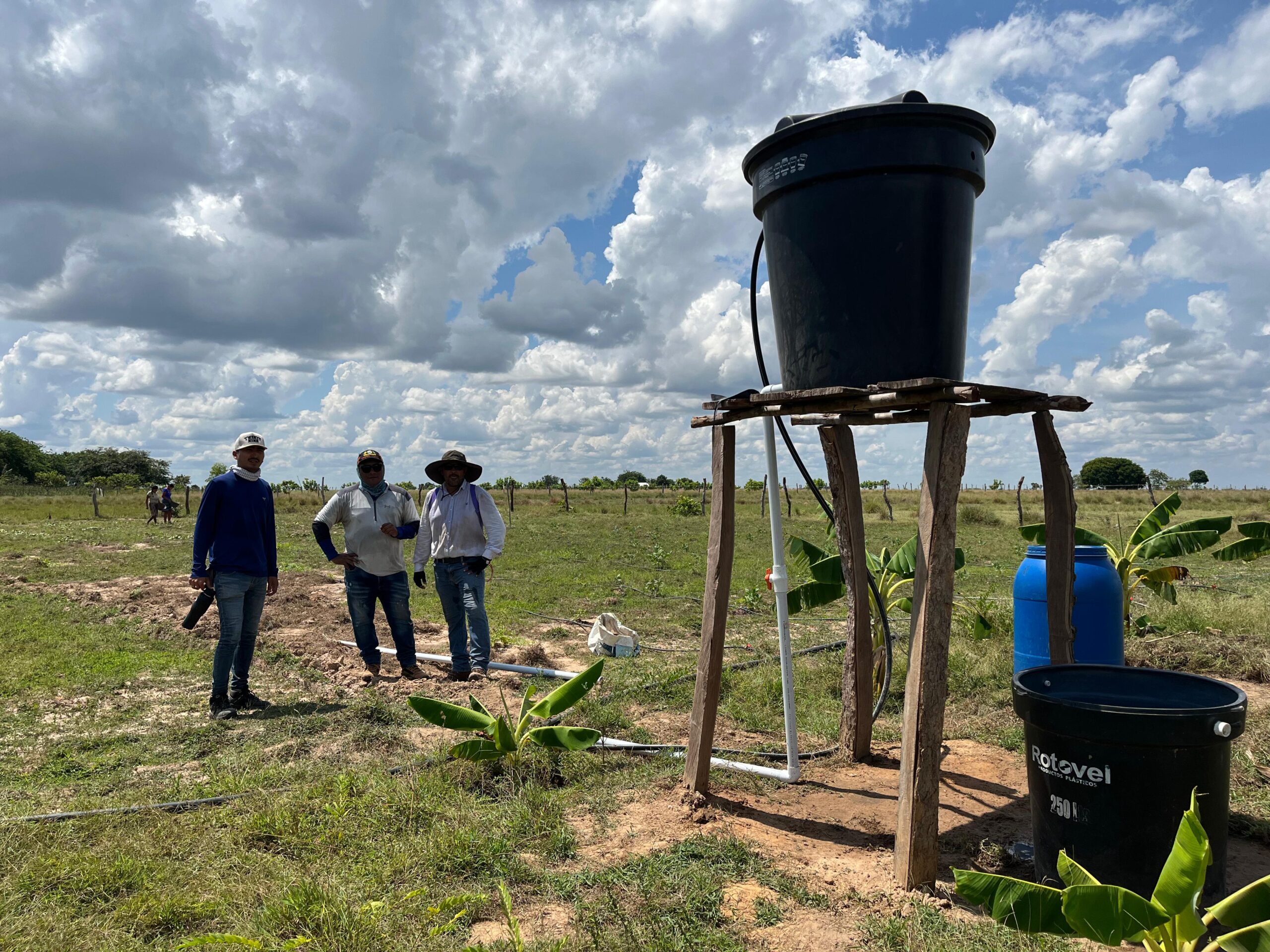
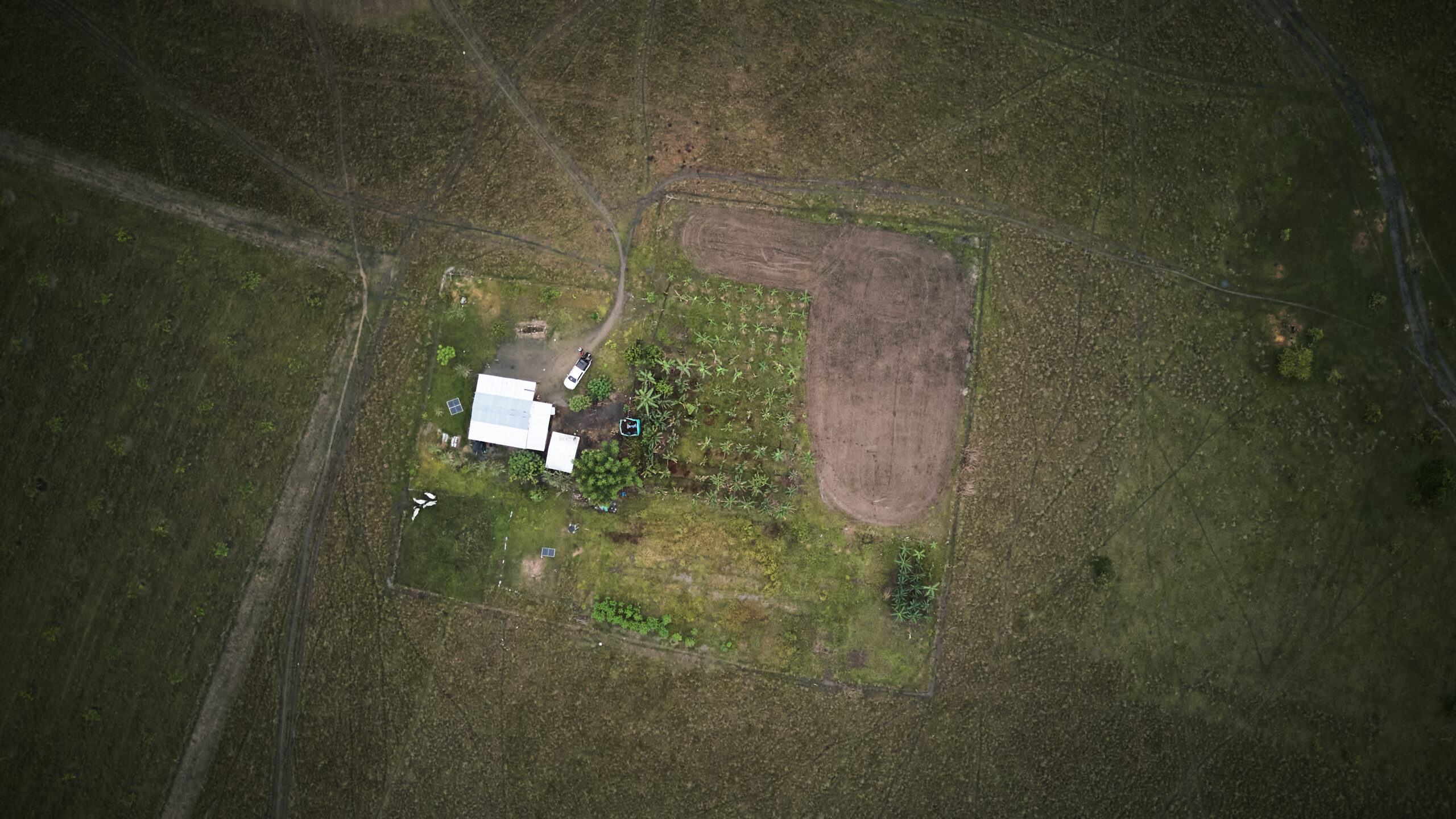
- 2024 – Water solutions and productive infrastructure in Kanalitojo: The project strengthened access to water for agroecological production through the installation of 10 wells and 18 drip-irrigation systems, enabling the development of sustainable conucos and productive plots.
- 2025 – Strengthening household productive plots: Agricultural inputs and productive support were provided to strengthen household agroecological plots, complemented by an alliance with the Government of Vichada.
- 2026 – First cashew harvests and consolidation: Technical and social accompaniment continued, while the project reached an important productive milestone with the first cashew fruits and harvests.
- Project completion: 31 December 2026.
Funding
The project has a total budget of approximately EUR 310,000 (COP 1,125,317,100). Fundación Alpina acts as both a funder and an implementing organization, in collaboration with strategic partners.
Mission
The mission is to promote life projects for rural families in vulnerable territories by strengthening social empowerment, restoring ecosystems, and improving food and water security through agroecological and regenerative systems. The approach seeks to generate and exchange knowledge while supporting agroecological systems that heal, restore, and strengthen rural landscapes. This includes fostering a sustainable balance between human activity and nature, based on respect for ecosystems and Indigenous knowledge systems. A central idea is that ecosystems are productive systems in themselves, and development must be based on understanding and working with their natural functions rather than against them.
Context
Communities that were displaced by conflict have returned to their territories and are now cultivating crops such as marañón (cashew), strategically planted to enhance water distribution and landscape resilience. In the Macuira National Natural Park, a unique ecosystem where desert and forest converge, efforts are strengthening community governance, collective rights, and the preservation of ancestral knowledge. The forest itself serves as a living water-producing infrastructure, capturing moisture through horizontal precipitation and supporting water availability in this arid environment. Experiences were shared from Indigenous territories in northern Colombia, highlighting initiatives in the seasonally flooded savannas of the Orinoquía. These landscapes are characterized by ancient, nutrient-poor yet stable soils and deep-rooted vegetation that play a vital role in regulating water flows. Projects in the region focus on water management, ecosystem services, and fostering sustainable relationships between people and nature.
Main beneficiaries
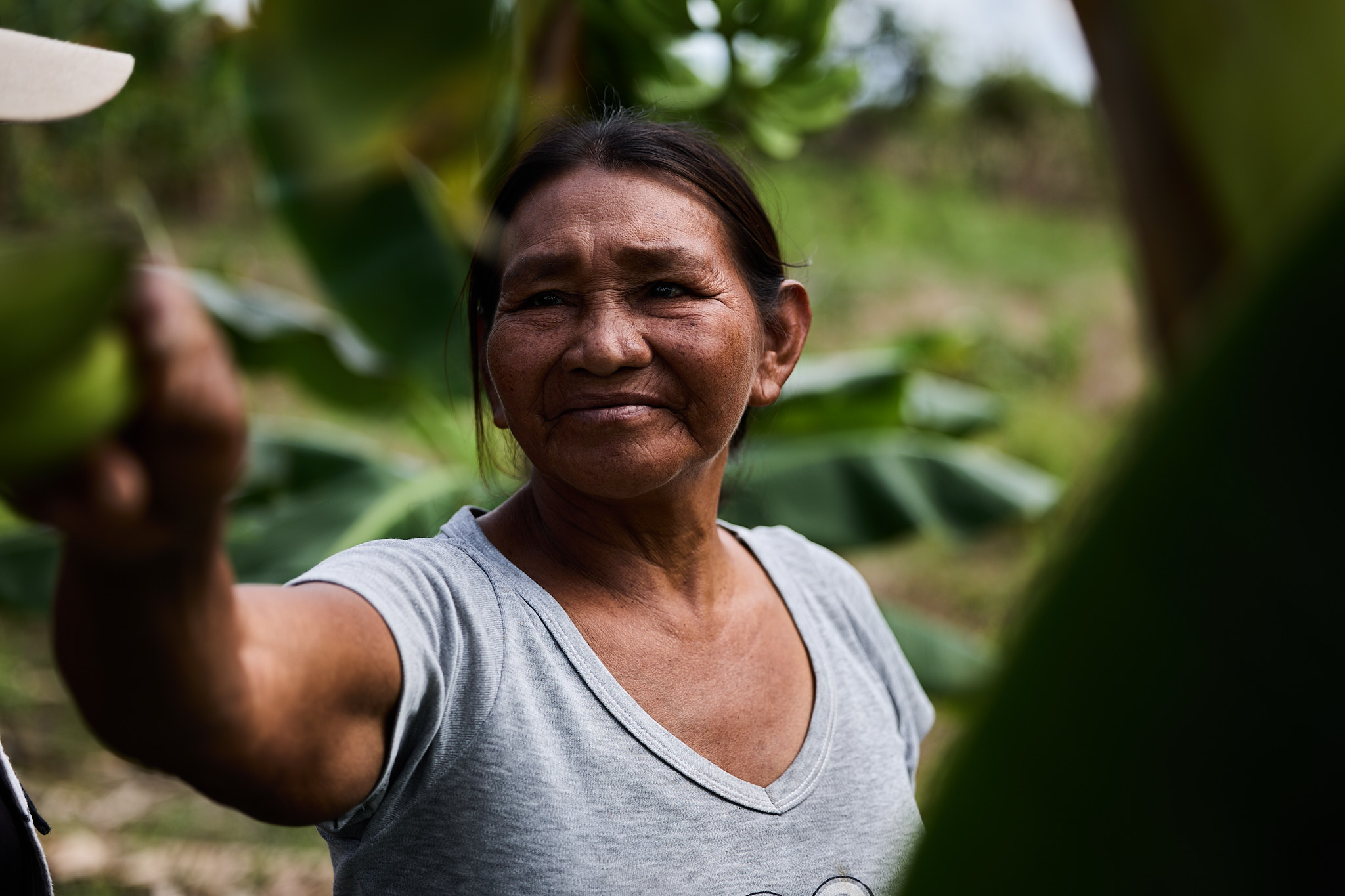
Rural and Indigenous communities living in ecologically sensitive and often vulnerable territories across Colombia. These include families that have historically faced displacement due to conflict and are now resettling and rebuilding livelihoods in their ancestral lands. Additional beneficiaries include smallholder rural farming families; Indigenous communities with traditional ecological knowledge systems; Local community organizations involved in territorial governance; Youth and community leaders engaged in agroecological training and mentoring programs.
Strategy
Objectives
The objective is to transform rural livelihoods while restoring ecological integrity and strengthening community governance.
Specific Objectives are to:
- Restore degraded ecosystems and recover biodiversity in rural territories
- Improve water management and ecosystem water services
- Strengthening food security and access to safe, nutritious food
- Promote sustainable agricultural production systems (agroecological and regenerative)
- Enhance soil fertility through organic matter management and composting
- Increase carbon capture through biodiversity restoration and silvopastoral systems
- Diversify rural production systems (crops, livestock, poultry, and agroforestry)
- Strengthen Indigenous and community governance structures
- Support community-led conservation and territorial management plans
- Promote knowledge exchange and community-based technical mentoring
- Improve household-level food autonomy through agroecological home gardens
Activities
The project is implemented through a combination of ecological restoration, agroecological production, and community capacity-building activities.
Key activities include:
- Ecosystem analysis to understand local biophysical conditions before intervention
- Restoration of degraded areas to recover biodiversity and ecological functions
- Water-focused interventions, including irrigation systems, aquifer use, and watershed management
- Agroecological farming systems such as conucos
- Cashew (marañón) cultivation, adapted with spacing strategies to optimize water distribution
- Regenerative livestock management using rotational grazing systems (“corral systems”)
- Use of organic waste and manure to regenerate soil fertility
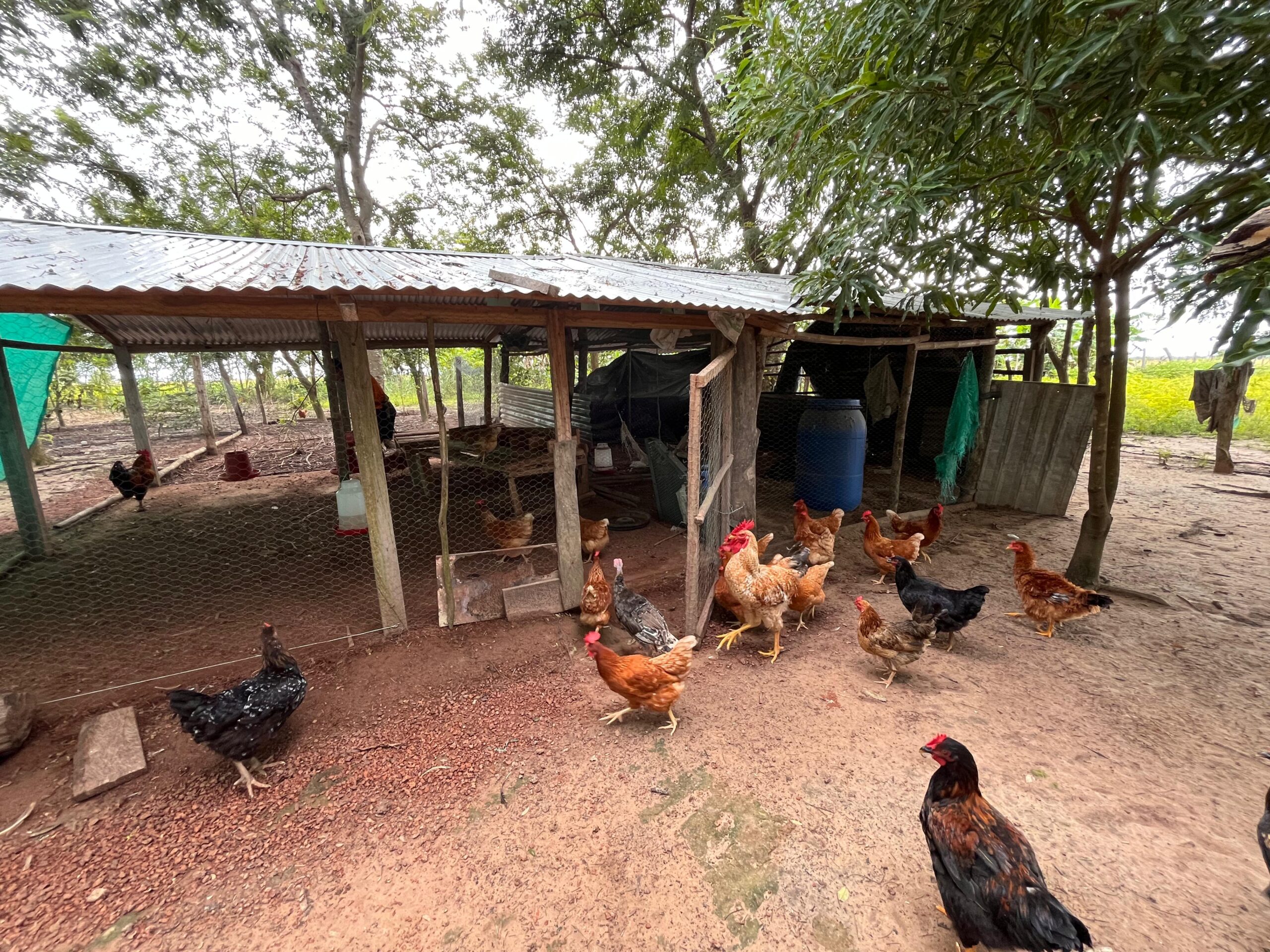
- Integration of poultry production to diversify income, nutrition, and organic inputs
- Savings mechanisms to improve financial resilience and access to credit
- Community agroecological gardens that ensure year-round access to diverse food products
- Composting and soil improvement under tree shade systems
- Participatory management planning in protected areas such as Macuira National Natural Park
- Strengthening of local governance and community leadership structures
- Training and mentoring of community agroecological leaders
The methodology focuses on supporting agri-food systems through water solutions, self-compensating irrigation systems, and the provision of equipment and agricultural inputs. They provide training and ongoing support through workshops, farm visits, field schools, and community-based learning activities to strengthen agroecological production and income generation. The project also promotes local marketing networks, social cohesion, and cooperative structures that encourage savings and access to credit.
A key feature of these regions is the strong integration between ecosystems and livelihoods. For example, in Macuira, forested mountain areas generate water through horizontal precipitation (fog capture), functioning as “living infrastructure” that sustains life in desert conditions. Across these territories, traditional knowledge and agroecological systems coexist with regenerative development strategies.
Results
The project generated a range of positive outcomes, including improved ecosystem conservation through the protection and restoration of mountain and watershed ecosystems, as well as better water management through the recovery of natural water retention systems using native vegetation and regenerative land-use practices. Regenerative approaches also increased biodiversity by enhancing ecological diversity and soil biology, while redesigned agricultural systems contributed to carbon capture and soil regeneration by increasing soil organic matter and carbon sequestration. Rural communities strengthened their resilience through improved food security, local governance, and economic opportunities, while sustainable livestock integration ensured that animal production supported rather than degraded ecosystems. Agroecological production systems, including community gardens, agroforestry, and organic farming, reduced dependence on chemical inputs, and solar-powered irrigation and water distribution systems improved agricultural sustainability. Overall, the project demonstrated that productive agriculture and ecosystem conservation can be effectively integrated and reinforced together rather than treated as competing objectives.
Lessons learned
Ecosystems should be understood as productive, living infrastructure rather than passive natural backgrounds. For example, forests in arid regions like Macuira actively generate water through fog capture, demonstrating that ecological systems directly support human survival when intact.
The importance of integrating traditional Indigenous knowledge with scientific agroecological practices. Communities that returned to their territories after displacement bring valuable ancestral knowledge that strengthens restoration efforts.
It is also clear that long-term ecosystem stability depends on biodiversity, soil regeneration, and water cycle restoration. Systems such as silvopastoral livestock management and diversified cropping improve resilience and reduce dependence on external inputs.
Sustainable rural development requires strong community governance, continuous learning, and financial mechanisms (such as savings systems) that allow communities to invest in their own resilience.
Limiting barriers
The work faces several interconnected challenges, including degraded ecosystems with low soil fertility in historically stressed areas; water scarcity and highly variable hydrological conditions in arid and savanna regions; historical displacement and the disruption of Indigenous territorial governance; limited infrastructure for irrigation and sustainable production in rural zones; the need for continuous technical accompaniment and long-term engagement; balancing modern agroecological systems with ancestral practices; ecosystem fragmentation across national borders and large territorial scales; and climate variability that affects water availability and agricultural cycles.
Looking ahead
Fundación Alpina’s project suggests that the future of agriculture in Colombia depends on regenerative systems that integrate ecosystem conservation with productive farming. The initiative emphasizes that protecting mountain ecosystems is essential for ensuring long-term water security, climate resilience, and sustainable rural livelihoods, while demonstrating that agroecological approaches can improve both environmental health and agricultural productivity. It also highlights the importance of community participation, local stewardship, and ecosystem-based farming practices that work with natural ecological processes rather than relying heavily on external inputs, positioning these elements as key foundations for long-term sustainability.
Hyperlinks
Contact
Elver Hernando García Rodríguez, National Technical Coordinator, Fundación Alpina, elver.hernando@alpina.com
Picture credits: Fundación Alpina