Agroecology and Land Restoration for Climate Resilience
Burkina Faso
The Sahel Climate Thematic Portfolio (PTCS) in Burkina Faso, funded by the Kingdom of Belgium, leverages agroecology and community mobilization to restore degraded land, increase agricultural production, and improve the climate resilience of rural communities. This initiative is based on a community-driven approach: the Rilgré Agroecological Communities of Practice (CORI). The CORI serve as a framework that brings together local producers who engage government technical services and other partners to support land restoration, agroecological practices, training, and local organization. Activities combine land restoration techniques, agroforestry, hands-on learning in field schools, demonstration plots, seed multiplication, the production of organic inputs, and green entrepreneurship. The use of this local innovation has boosted the intervention’s results. As a result, the PTCS has enabling the restoration of more than 10,000 hectares of degraded land, the implementation of agroecological practices on more than 4,000 hectares, a 33.4% increase in agricultural yields, access to restored land for 40% of women, and reaching more than 150,000 indirect beneficiaries. It has also developed local production of biopesticides, biofertilizers, and compost through cooperatives and mobile composting units, thereby combining land restoration with local access to organic inputs and income-generating activities.
Lead organizations
Among the organizations involved in the project is Enabel, the Belgian Agency for International Cooperation, through the Thematic Portfolio on Climate in the Sahel (PTCS).
Other organizations involved include Solidar Suisse, Béo Néré Agroécologie, Green Cross, and LVIA Burkina Faso, which are working alongside government technical services, local partners, and the Rilgré Agroecological Communities of Practice (CORI) to implement land restoration, agroecology, and organic input use activities.
Country
The project is being implemented in 13 municipalities in the Kulsé (North-Central), Nakambé (East-Central), and Oubri (Central Plateau) regions of Burkina Faso.
Timeline
The project began in 2022 and will conclude in 2027.
Funding
The project had a total budget of 11.5 million euros, funded by the Kingdom of Belgium and implemented by Enabel.
Context
Burkina Faso’s agricultural systems are part of the broader Sahelian context of land degradation, declining soil productivity, and limited availability of organic inputs. More than 80% of the Sahel’s population lives in rural areas and depends on agriculture, while approximately 430,000 hectares of productive land are degraded each year. Agricultural production is also affected by the use of unregistered pesticides and a heavy reliance on herbicides, as well as limited access to locally available alternatives. These pressures affect the ability of rural communities to preserve productive land and cope with climate variability, natural resource degradation, and growing inequalities. Access to land also poses a barrier for certain rural groups, particularly women and youth, limiting their participation in agricultural production and land restoration activities. At the same time, the limited supply of organic inputs creates a practical obstacle for farmers seeking to reduce their dependence on chemical inputs. The “Climate in the Sahel” thematic portfolio addresses these challenges by combining the restoration of degraded land with agroecological production, natural resource governance, and water management. In Burkina Faso, this includes community-scale land restoration, farmer training, demonstration plots, agroforestry, and local production of compost, biopesticides, and biofertilizers. The approach relies on locally rooted producer groups and communities of practice to link land restoration to agricultural production and local access to organic inputs.
Main beneficiaries
The project primarily benefits smallholder farmers and rural communities—particularly women and youth—in the project areas of Burkina Faso. Farmers gain access to restored farmland, training in agroecological practices, farmers’ field schools, demonstration plots, seed multiplication, and locally produced organic inputs. Women are also supported through access to restored land and their participation in cooperatives and economic interest groups that produce organic agricultural inputs. The project also benefits producer cooperatives, local agroecology practitioners, and organic input companies by strengthening their capacity to produce and market compost, biopesticides, and biofertilizers.
Strategy
Objectives
The overall objective of the PTCS is to strengthen the resilience of Sahelian populations through integrated natural resource management and the sustainable restoration of natural ecosystems. In Burkina Faso, this objective is pursued by combining land restoration with agroecological production, local organic inputs, community organization, and improved natural resource management.
The specific objectives are as follows:
- Strengthen the sustainable and inclusive management of natural resources by local actors within their territories.
- To restore degraded agricultural land and natural ecosystems, and return the land to productive use.
- Increase the adoption of agroecological and agroforestry practices by producers.
- Improve access to organic inputs through the local production of compost, biopesticides, and biofertilizers.
- Strengthen natural resource governance and integrated water resource management.
- Promote collaboration, knowledge sharing, and the exchange of expertise among local, national, and regional stakeholders.
- Develop green economic opportunities through cooperatives and local businesses involved in the production of organic inputs.
Activities
The project relies on the Rilgré Agroecological Communities of Practice (CORI) as the primary community-based mechanism for mobilizing producers and implementing activities. The CORIs create an appropriate framework that brings together exemplary producers seeking practical solutions. The CORIs provide an opportunity for farmers to learn from one another. They also promote the dissemination of agroecological practices within surrounding communities. Their work is coordinated with government technical services, implementing partners, and service providers, who provide training, advisory services, and monitoring. The approach relies on consultations within village assemblies, exchanges between villages, and gradual capacity building to strengthen local ownership and enable the groups to operate more autonomously over time.
In terms of restoring natural lands and ecosystems, communities have demonstrated their effectiveness by rehabilitating fallow land using “zaï” techniques, half-moon patterns, stone barriers, or stone cordons. The CORIs have also distinguished themselves through water and soil conservation efforts, including reforestation and scarification using the Delfino plow, These interventions are combined with agroecological and agroforestry practices, as well as improved management of land and water resources.
The project enhances farmers’ knowledge and access to agroecological alternatives through farmer field schools, demonstration plots, hands-on training, and awareness-raising activities on the harmful effects of chemical inputs. It also supports seed multiplication through cooperatives, thereby enabling locally organized producer groups to contribute to the availability and dissemination of plant material.
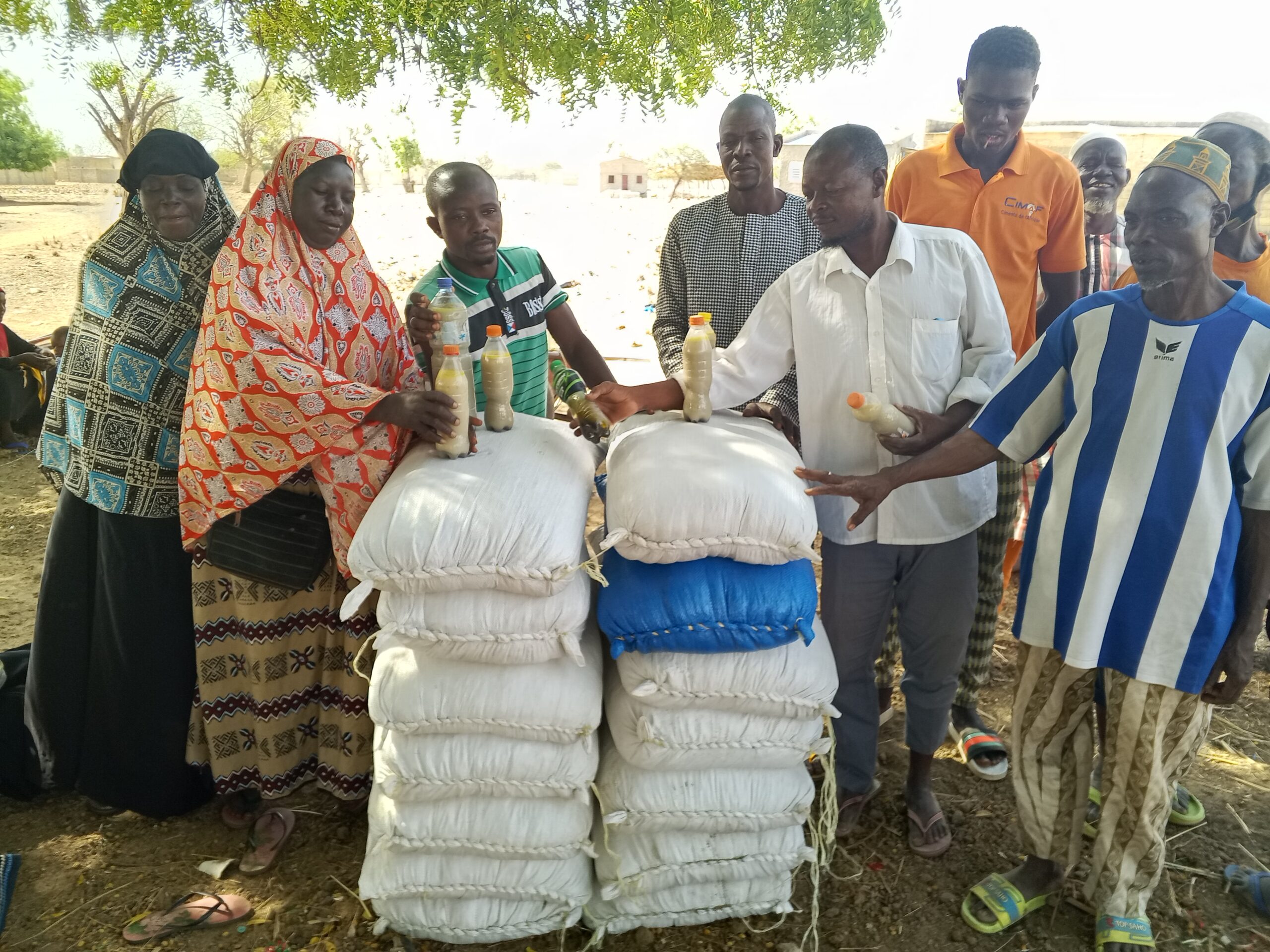
A major component of the project focuses on developing local production of organic inputs and green enterprises. The project establishes and supports producer cooperatives and economic interest groups to produce biopesticides, biofertilizers, and compost, while providing their members with technical training in production, processing, and marketing. These activities aim both to improve farmers’ access to alternatives to chemical inputs and to create income-generating opportunities, particularly for women and youth.
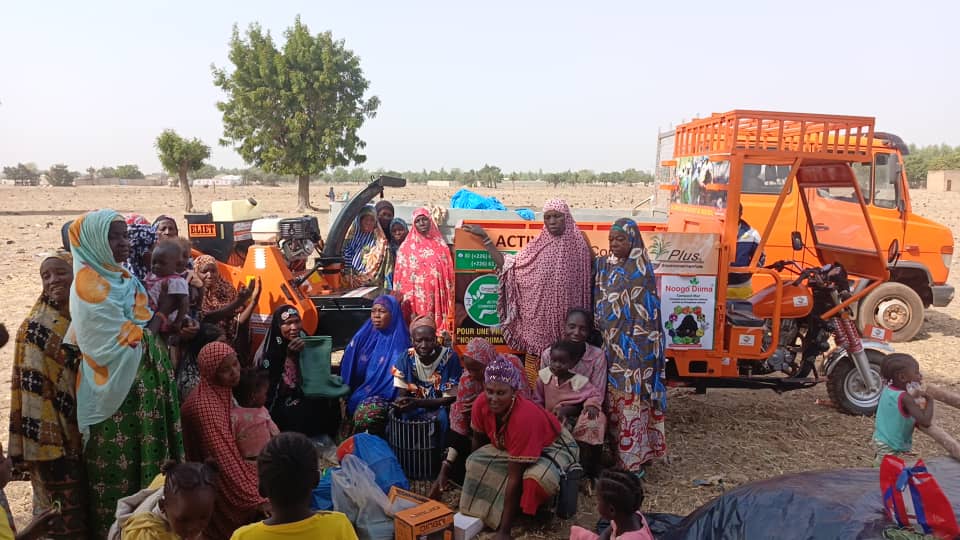
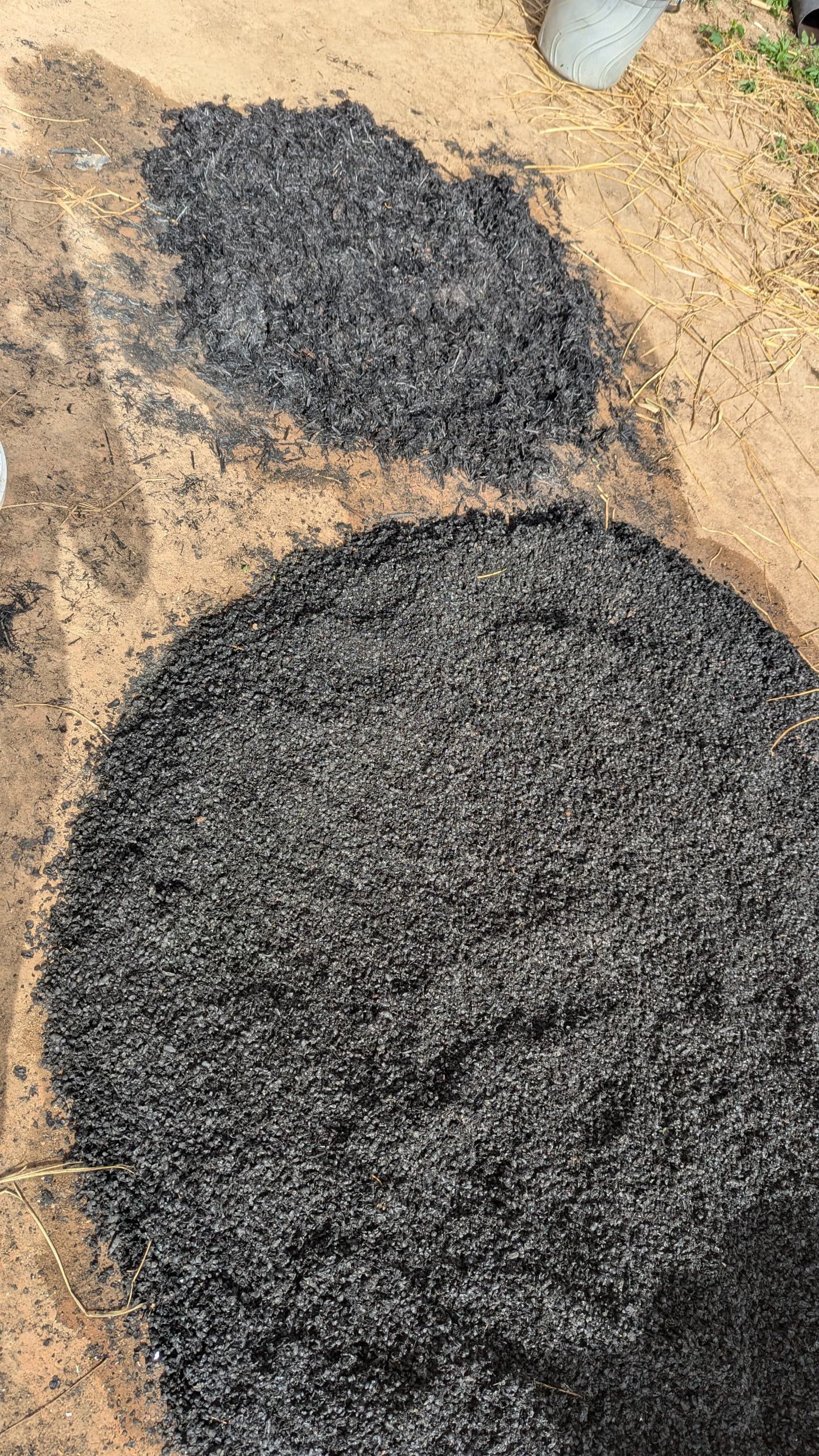
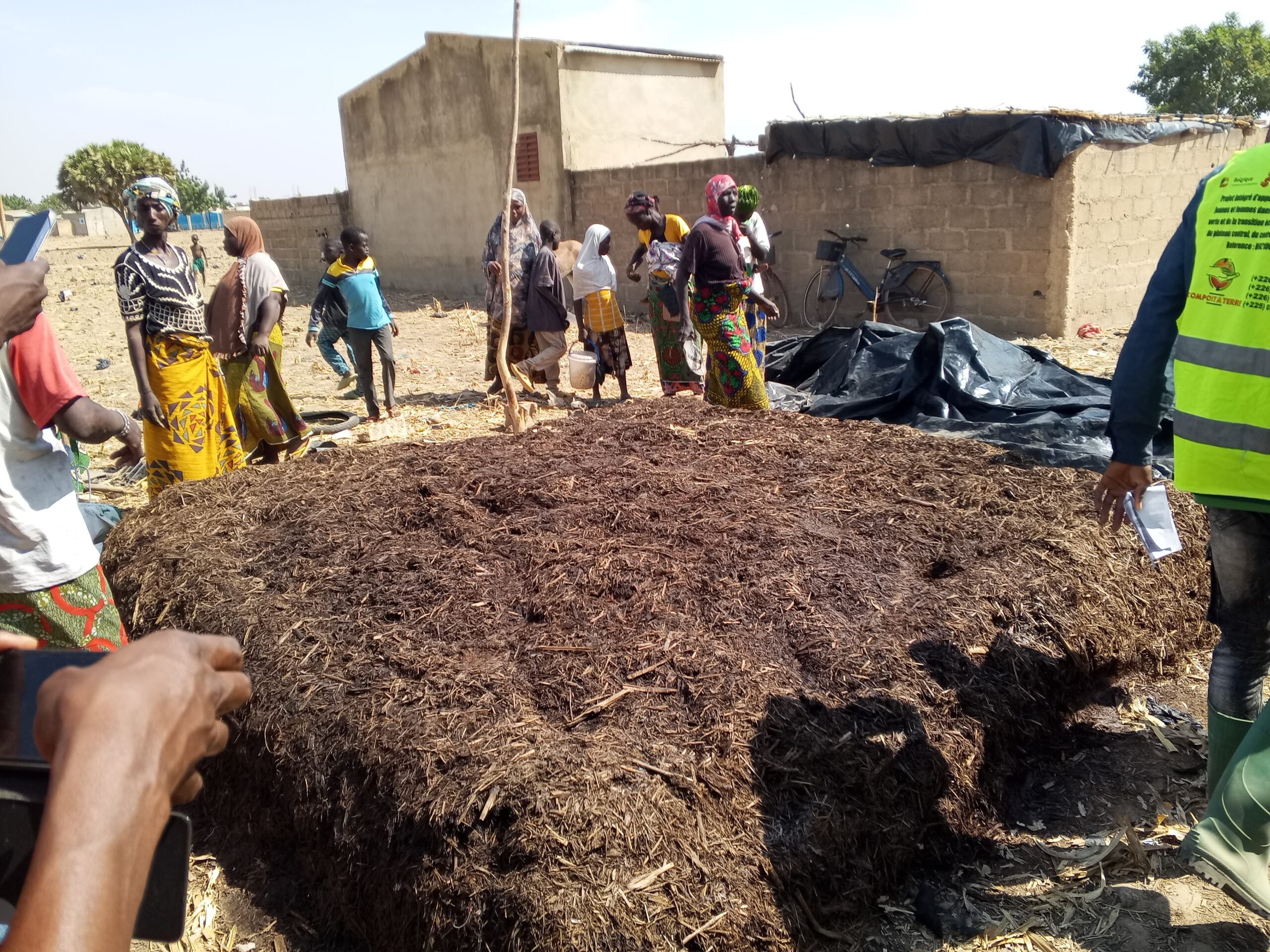
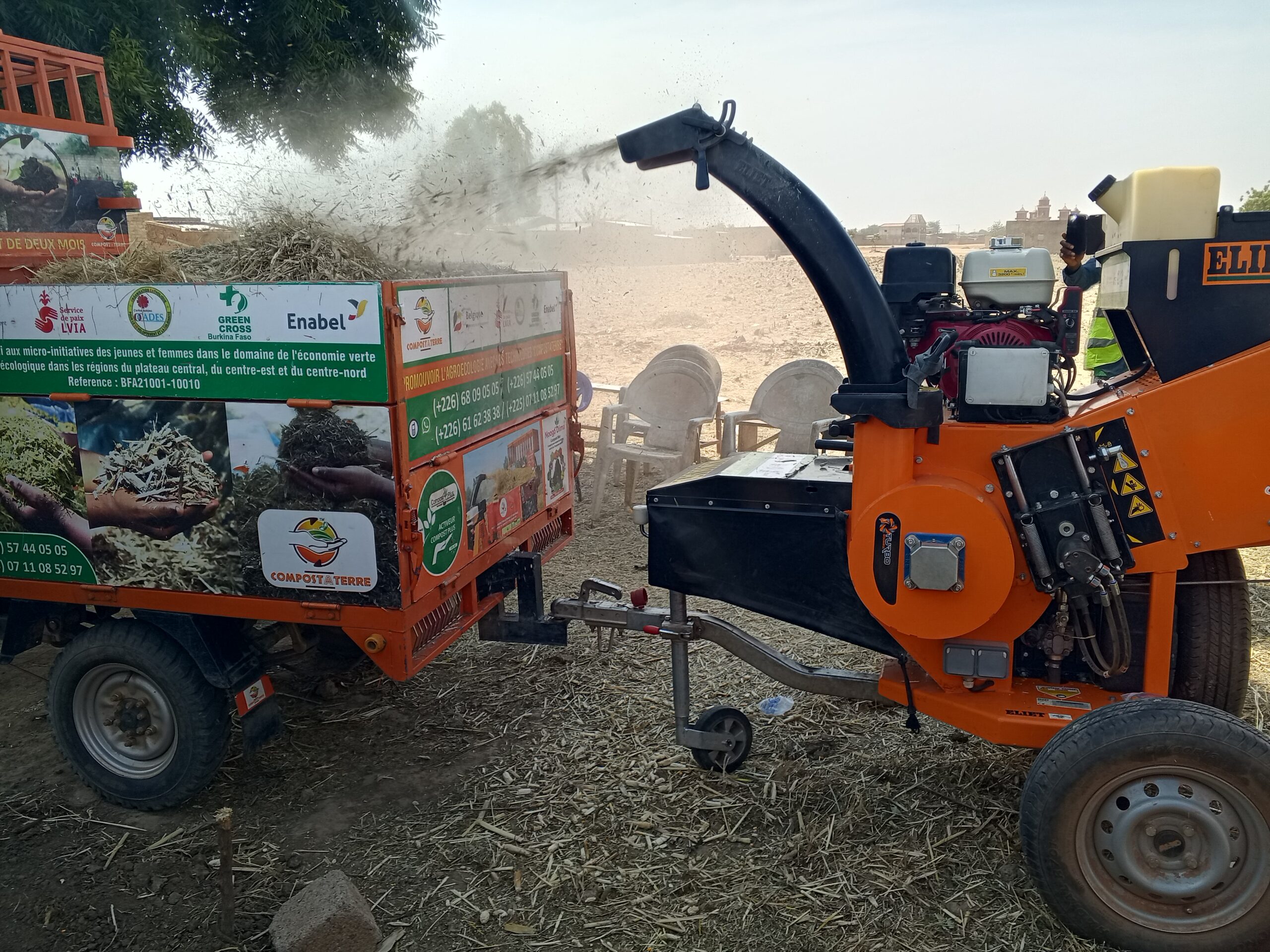
Composting is promoted through permanent producer groups and mobile “COMPOSTATERRE” units that shred locally available biomass, such as crop residues, hay, and other organic materials from farms. Instead of burning residues before the next growing season, available biomass can be collected, shredded, and incorporated into compost production. Locally manufactured mobile units can also provide biomass shredding services to farmers and livestock raisers, and process materials for compost and livestock feed.
Results
- The project has restored more than 10,000 hectares of degraded land, while more than 4,000 hectares now benefit from agroecological practices. Agricultural yields have increased by 33.4 percent, and 40 percent of women have gained access to restored land. The interventions have reached more than 150,000 indirect beneficiaries, demonstrating the impact of the community-based approach to restoration and agroecology.
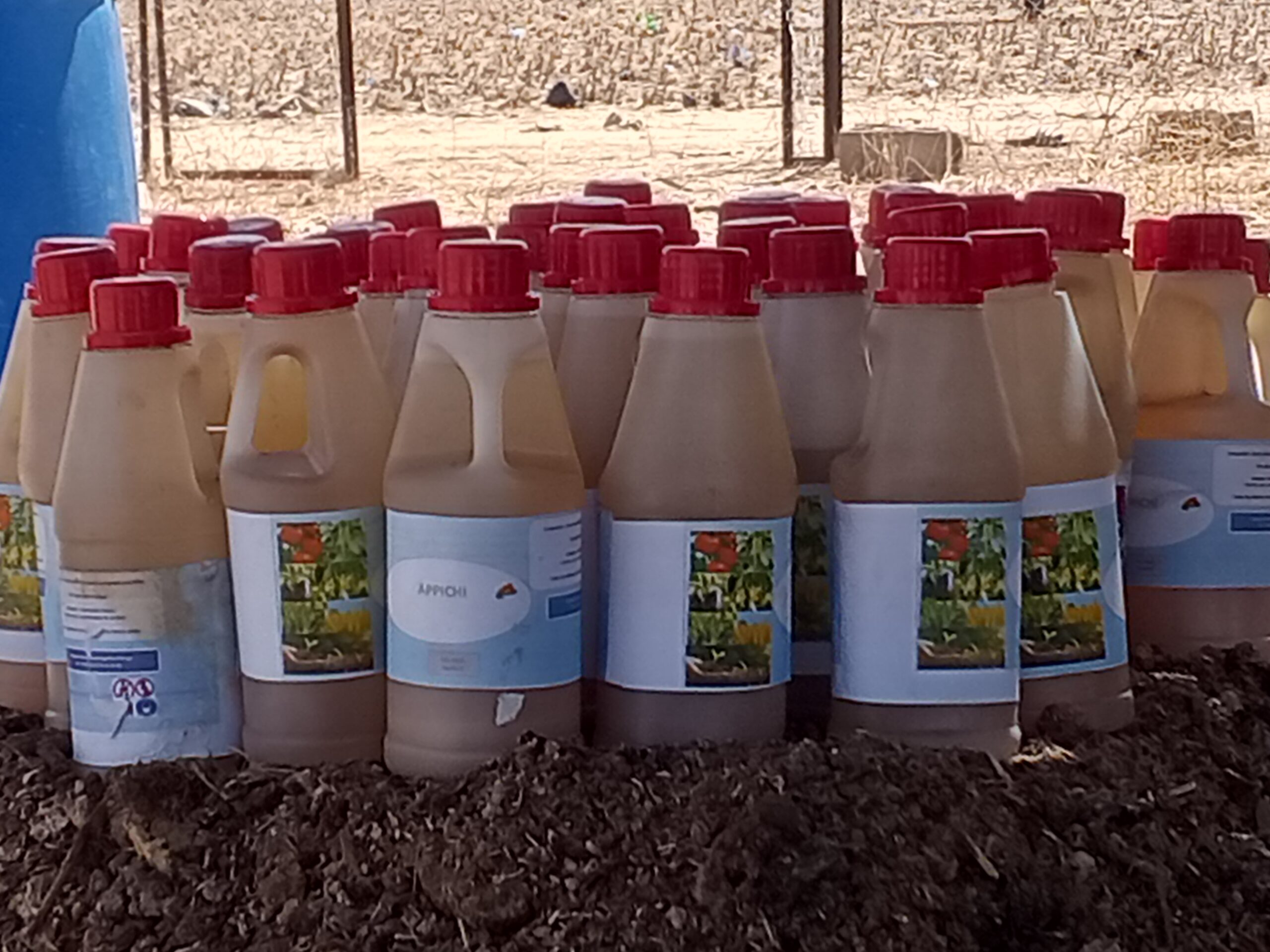
- Local production of organic inputs has also expanded. Ten cooperatives producing biopesticides and biofertilizers, comprising 200 trained members, have been established. The biopesticide cooperatives produced 6,000 liters, of which 3,500 liters were sold, generating €21,342.86 in revenue. The biofertilizer cooperatives produced 250 metric tons of bokashi compost, sold 160 metric tons, and generated €24,391.84.
- Compost production expanded thanks to 11 economic interest groups (EIGs) dedicated to compost production and four composting sites equipped with mobile COMPOSTATERRE units, with 314 trained members. Together, they set up 184 compost windrows and produced 447.9 metric tons of compost, of which 63.6 metric tons were sold. Compost sales and shredding services generated a cumulative revenue of €16,080.32.
- The project also established a system adapted to local conditions for processing agricultural biomass. The mobile COMPOSTATERRE technology is manufactured in Burkina Faso; it processes both dry and fresh biomass and has a shredding capacity of 1,000 kg per hour. It enables farmers and livestock raisers to convert biomass into compost and livestock feed, while creating an alternative use for agricultural residues.
- Beyond concrete and economic results, the project has strengthened producer cooperatives, community-based agroecological structures, and local capacities for soil restoration and the production of organic inputs. The CORI model has established a locally rooted structure through which producers participate in community mobilization, training, and the dissemination of agroecological practices.
Lessons learned
The project demonstrated that community-based engagement is essential for ensuring the sustainability of agroecological and land restoration activities. The CORI model relies on producers who are respected within their communities and capable of mobilizing and reaching other farmers. Village consultations, inter-village assemblies, and gradual capacity building have helped establish local structures capable of assuming greater responsibilities as external support is gradually phased out.
Another lesson is that land restoration works best when linked to agricultural production and access to inputs. The restoration of degraded land through zaï, half-moons, stone barriers, and other techniques is combined with farmers’ field schools, demonstration plots, seed multiplication, and locally produced bio-inputs. This allows restored land to return to productive use while farmers have access to the practices and inputs needed to sustain production.
This initiative also demonstrates the value of transforming locally available biomass into productive agricultural inputs. Crop residues, hay, and other agricultural materials can be turned into compost instead of being burned. Mobile COMPOSTATERRE units make this possible near farming communities, while also providing shredding services and producing materials for livestock feed.
The development of local bio-input enterprises provides both an agroecological service and an economic opportunity. Organizing producers into cooperatives and economic interest groups has enabled the local production and sale of biopesticides, biofertilizers, and compost, while creating opportunities for women and other rural producers to participate in these activities.
Limiting barriers
The project is being carried out under challenging land tenure and production conditions, including widespread land degradation, declining soil fertility, and limited availability of organic inputs. Across the Sahel, approximately 430,000 hectares of productive land are degrading each year, while the use of unregistered pesticides and the widespread use of herbicides remain sources of concern for agricultural production. Access to land remains difficult for women and young people, limiting their participation in agriculture and their ability to invest in land restoration and agroecological production. The project has made progress in this area, but access remains an underlying constraint in rural communities.
The transition to locally produced organic inputs also faces supply and market constraints. Compost production requires a reliable supply of biomass, including crop residues, hay, and other agricultural materials, but some of these residues are still burned before the next growing season. At the same time, sales have not kept pace with production. Of the 6,000 liters of biopesticides produced, 3,500 liters were sold, while only 63.6 metric tons of the 447.9 metric tons of compost produced found buyers. The expansion of organic input production therefore depends not only on access to organic materials but also on stronger and sustained demand for locally produced inputs.
Looking ahead
The next step is to consolidate and expand the community-based approaches already established through CORI, granting greater autonomy to producer groups as project support is gradually phased out. The CORI model is structured around phased support, moving from capacity building and technical assistance to greater local responsibility for agroecological and soil restoration activities. It is also possible to expand the local production and use of organic inputs by leveraging cooperatives that produce biopesticides, biofertilizers, and compost. For COMPOSTATERRE, the goal is to popularize the technology and create partnerships and synergies for scaling up, by expanding access to mobile biomass processing and composting services. Future progress will depend on strengthening collaboration and information sharing among local, national, and regional stakeholders, which is one of the portfolio’s specific objectives.
Quotes of participants
The difference was visible to the naked eye. The plants that benefited from CES structures and Bokashi were dark green and taller. The ears of corn were larger and more compact. With traditional farming methods, the leaves turned yellow earlier and yields were lower. This convinced us of the importance of agroecological techniques.
We noticed that the prepared plots retained water better. After dry spells, the plants continued to grow normally. The panicles were well-formed. In the control plot, some plants showed visible signs of water stress and matured more quickly, with less-filled grains.
The demonstration field gave me the opportunity to participate in decision-making and fieldwork on an equal footing with the men. I learned how to make half-moons, prepare bokashi, and make biopesticides. Today, I feel capable of applying these techniques in my own field and training other women. This experience shows that women can play an important role in our village’s agroecological transition
Hyperlinks
Enabel – Belgian Agency for International Cooperation
Open.Enabel – Projects and Results in Burkina Faso
Key principles and elements highlighted in this case study: recycling, reduction of inputs, soil health, biodiversity, co-creation and knowledge sharing, participation, economic diversification
Contact
Thérèse Kondombo, Project Officer – Agroecology and Land Restoration, Enabel – “Climate in the Sahel” Thematic Portfolio (PTCS), Burkina Faso: kondombot@gmail.com
Pictures credits: ENABEL