Resilient Local Food Production: A pillar of Helen Keller’s Building Nutritious Systems approach
Burkina Faso
Helen Keller International’s Resilient Local Food Production pillar promotes climate-smart, nutrition-sensitive agriculture to strengthen food security, household nutrition, and community resilience. Through work in Burkina Faso and other countries, the program supports homestead gardening, crop diversification, livestock production, women’s empowerment, and market access alongside agroecological training, seed distribution, water management, and soil health practices. These integrated approaches help communities build sustainable livelihoods while improving nutrition and adapting to climate challenges.
Lead organization
Helen Keller International (HKI) which works to improve lives by protecting vision, improving nutrition, and preventing disease. It supports children and families in 20 countries across Asia, Africa, Europe, and the U.S. by promoting nutritious diets, preventing malnutrition, strengthening immune systems, and providing treatment for blindness and vision loss.
Country
Burkina Faso
Timeline
The project ran from February 2022 to January 2025 and aimed to strengthen women’s resilience, economic empowerment, nutrition, and food security in Sissili Province.
Funding
The RESIFA (KANA KOLU) project in Burkina Faso, implemented by Helen Keller International and funded by the Helmsley Charitable Trust, had a total budget of approximately CFA 3 billion (about US$5 million).
The approach relies on collaboration with donors, governments, community organizations, agricultural extension systems, and international platforms and coalitions.
Mission
The mission is: to strengthen resilient local food systems that improve nutrition outcomes for vulnerable populations by increasing access to nutrient-rich foods, promoting climate-smart agriculture, and supporting sustainable community development. The initiatives focus on creating long-term, community-driven solutions that enhance food security, health, and economic resilience.
Context
Burkina Faso faces a fragile context marked by high food and nutrition insecurity, insecurity linked to armed groups, and widespread poverty, with over 40% of the population below the poverty line. Healthcare and adequate nutrition are often inaccessible. For over three decades, HKI has supported communities by addressing malnutrition and child mortality, tackling neglected tropical diseases, and empowering women economically. In partnership with governments and civil society, its resilience programs reach all community members regardless of background.
Main beneficiaries
Main beneficiaries are smallholder farming households vulnerable to climate and economic shocks, with a strong focus on women, mothers, and children. Women are supported through leadership training, village savings and loans associations, income-generating activities, and improved access to land and agricultural resources. Local communities and agricultural extension agents also benefit through training in climate-smart and nutrition-sensitive agriculture, contributing to stronger local systems and broader community resilience.
Strategy
Objectives
The initiative aims to improve nutrition among women and children, strengthen communities’ resilience to climate shocks through agroecological practices, empower women with greater access to resources and decision-making opportunities, build sustainable local food systems and markets, and generate evidence to inform national and international food and nutrition policies. Through these efforts, the program seeks to create more equitable, sustainable, and adaptable food systems for future generations.
The project aimed to strengthen resilient local food systems while improving nutrition and economic resilience among vulnerable households, particularly women and children. It promoted climate-smart agriculture, women’s empowerment, diversified food production, and sustainable livelihood opportunities to support long-term resilience. The initiative also sought to strengthen local markets, improve dietary diversity, and encourage adoption of agroecological practices that could be scaled sustainably.
Specific Objectives are to:
- Improve household food and nutrition security
- Increase women’s economic empowerment and income generating activities
- Promote climate-smart and agroecological agricultural practices
- Expand production and consumption of nutrient-dense foods
- Improve women’s access to land, irrigation, and financial services
- Strengthen local agricultural production and market access
- Improve infant and young child feeding practices
- Build household resilience to climate and security-related shocks
Activities
The project activities followed five main topics: The project in Burkina Faso focused on strengthening resilient and nutrition-sensitive food systems through a combination of agricultural, nutrition, and livelihood interventions. Key activities included:
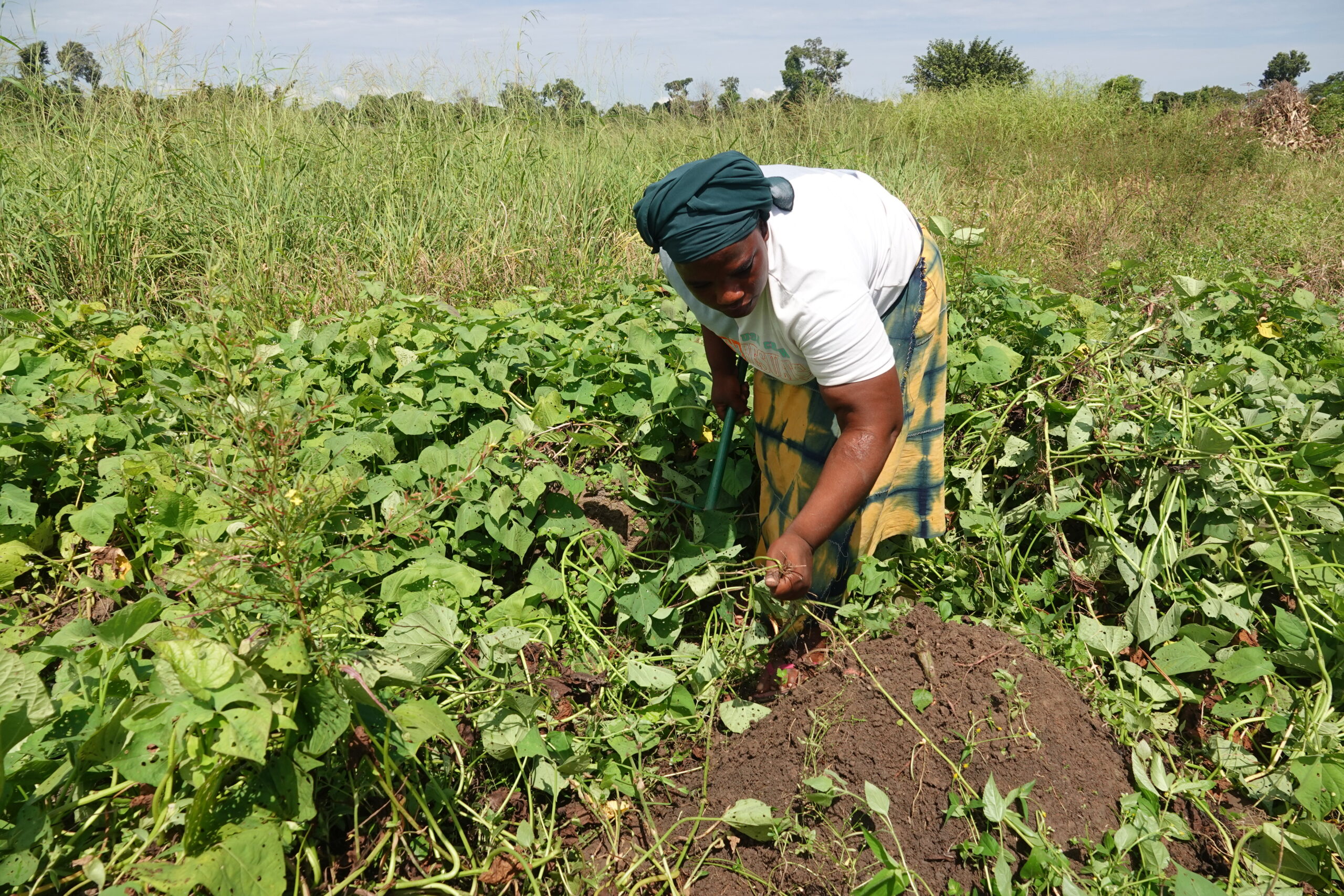
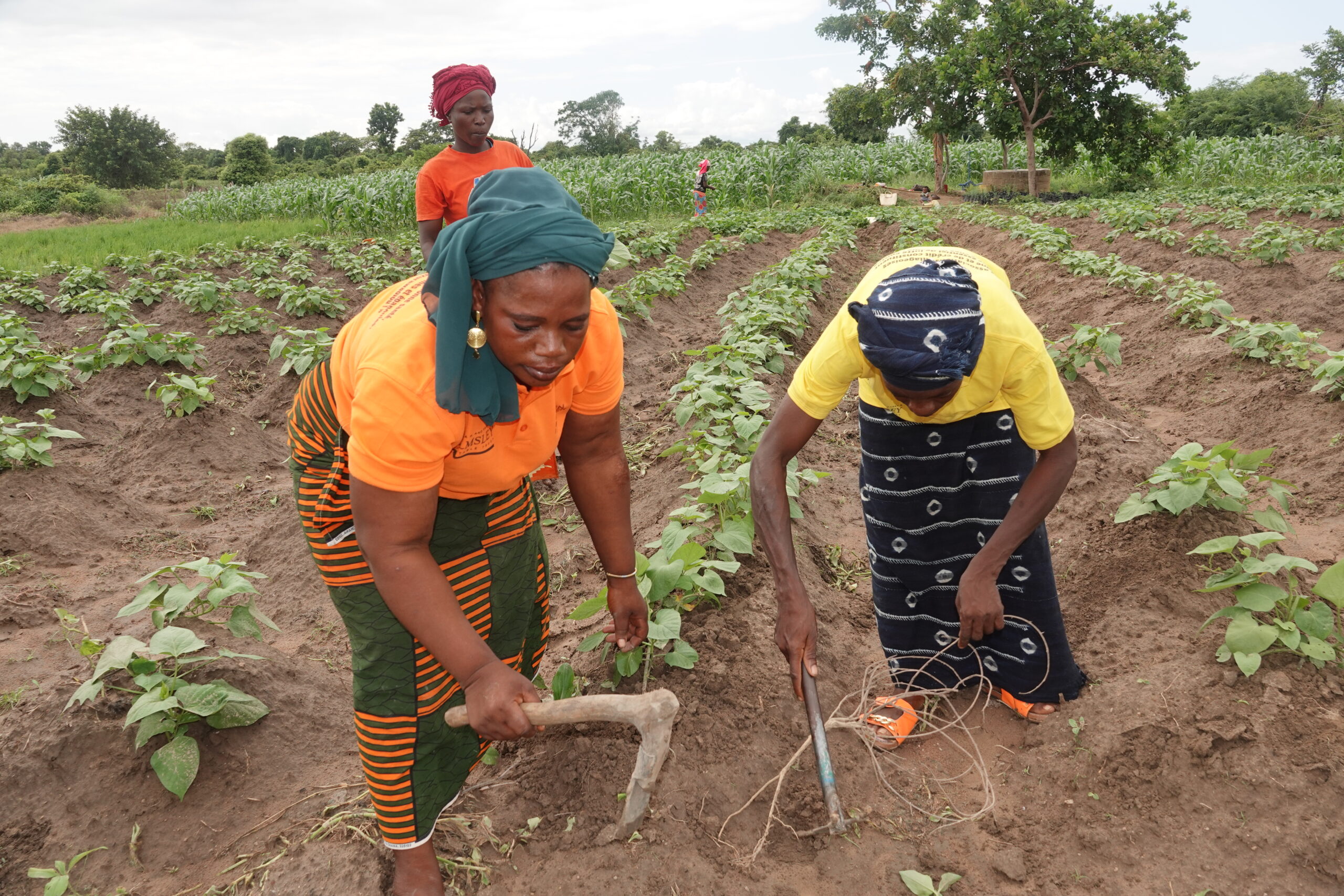
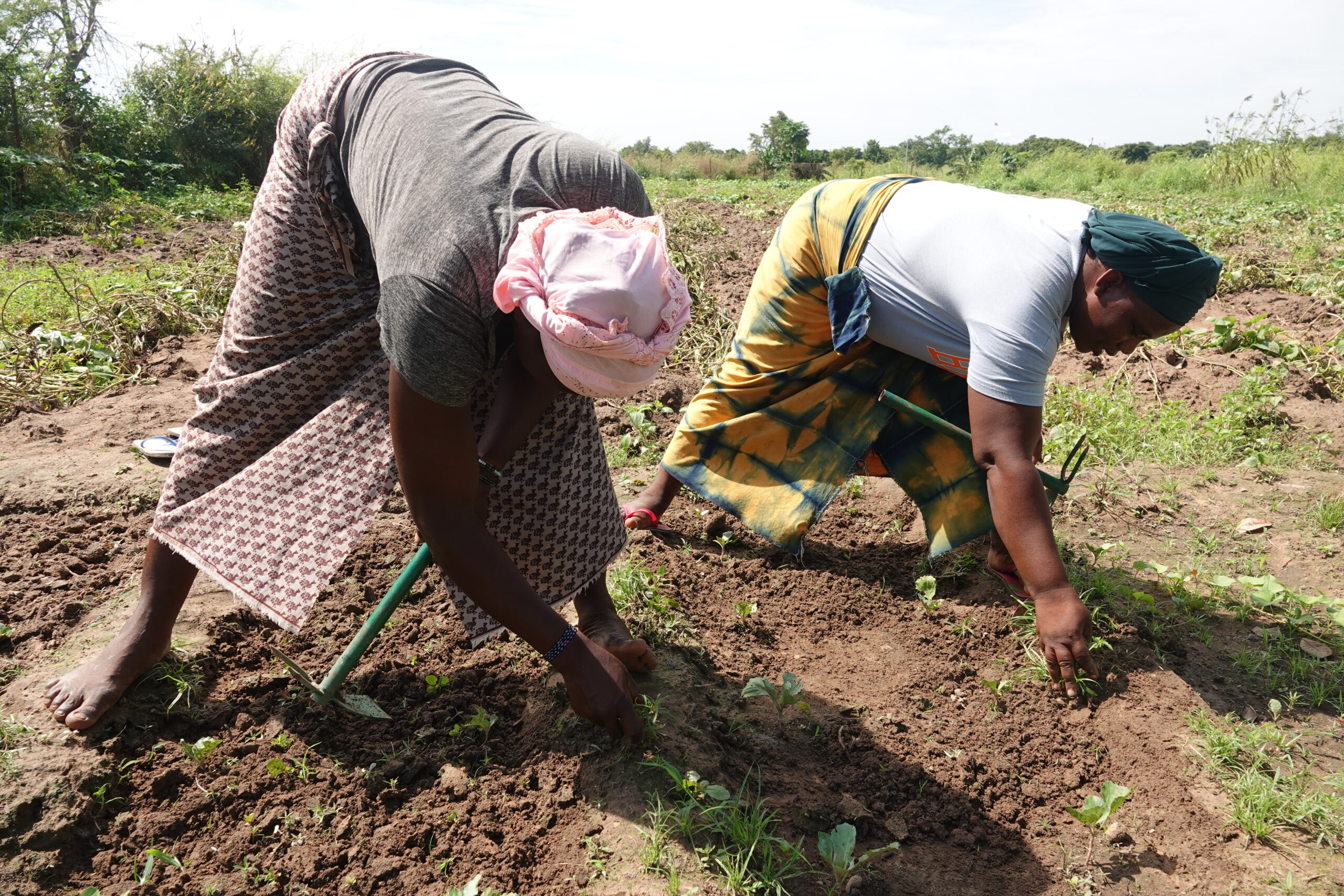
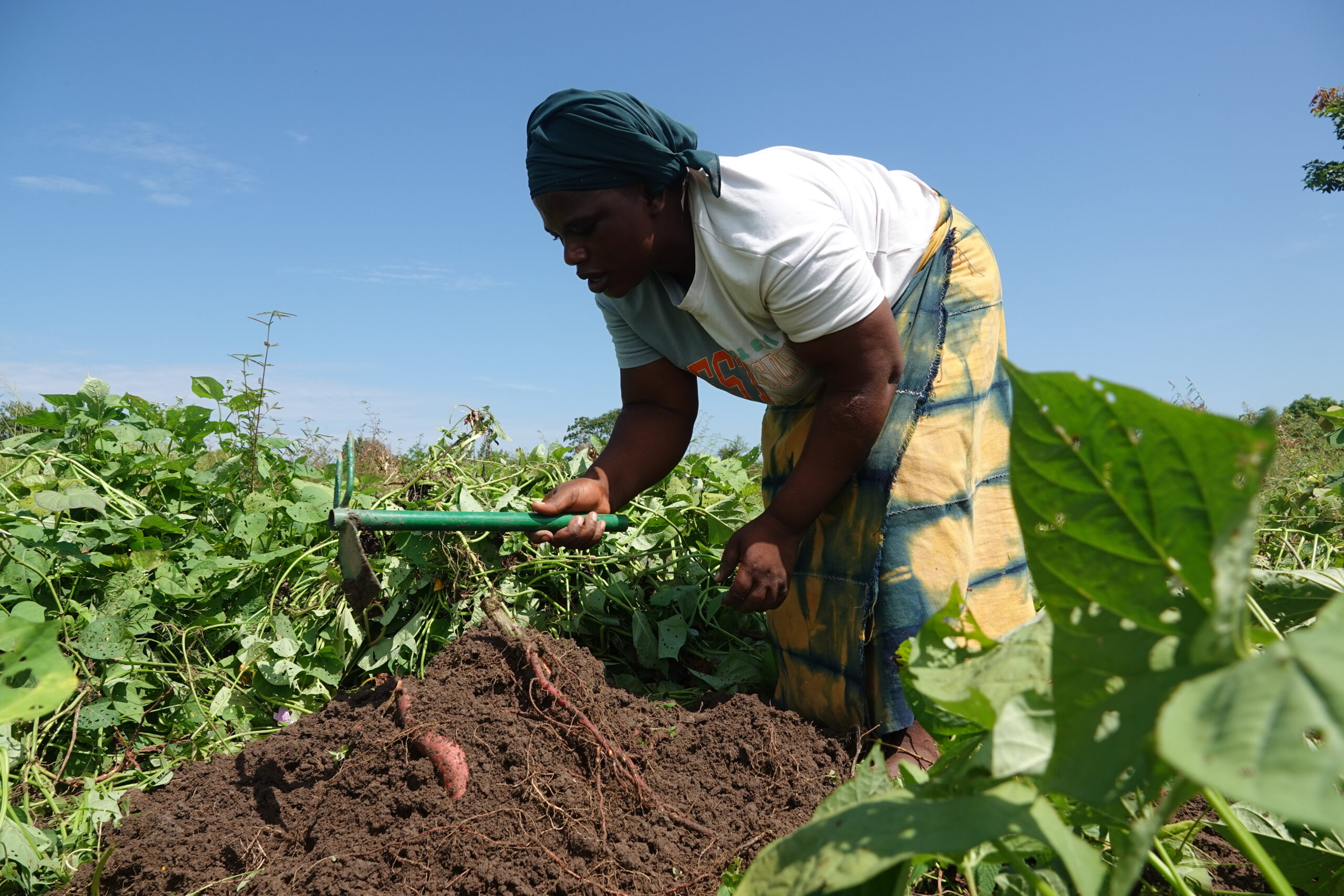
The project implemented a wide range of agricultural, nutrition, and livelihood interventions designed to improve resilience and food security. Activities included distributing seeds and agricultural inputs, training communities on climate-smart and nutrition-sensitive agriculture, promoting biofortified and nutrient-dense crops such as orange-fleshed sweet potato and leafy vegetables, and supporting livestock production. Additional interventions included cooking demonstrations, mother support groups for infant and young child feeding, women’s savings groups, market linkages, food processing activities, and support for women’s access to land and irrigation infrastructure.
Results
The project reached approximately 5,000 women through agricultural training, distribution of inputs, and income-generation activities, significantly strengthening household resilience and food security. Agricultural production improved and diversified substantially, with participants producing an average of 60 kg of orange-fleshed sweet potato and 265 kg of leafy vegetables annually, while women also gained improved access to seeds through local seed production initiatives. Nearly 70% of trained women adopted at least three climate-smart or agroecological practices, and production of nutritious crops such as orange-fleshed sweet potato expanded to approximately 60% of participating households.
The project also contributed to major improvements in nutrition and household well-being. Dietary diversity among children increased from 28% at the start of the project to 60% by the end, while women’s dietary diversity improved from 50% to approximately 75%. Around 70% of participants at least doubled their income, and women participating in village savings and loans groups saved approximately USD 70 annually, contributing to greater financial independence, increased participation in household decision-making, and reinvestment into agriculture and small businesses.
A key success factor was the project’s strong integration of agricultural production with nutrition outcomes, demonstrating a clear link between diversified crop production and improved dietary diversity. The initiative successfully promoted simple, scalable, and low-cost practices such as the Triple S (“Storage in Sand and Sprouting”) technique, which enabled the storage of orange-fleshed sweet potato roots and production of planting material for future seasons, as well as clay pot coolers that reduced food loss by extending the shelf life of vegetables and fruits. These practical approaches increased community adoption and strengthened local food availability year-round.
Another important success factor was the role of village savings and loans associations in strengthening women’s economic resilience and financial sustainability. These groups enabled women to reinvest in agriculture, expand income-generating activities, and build savings despite challenging conditions. Follow-up monitoring conducted more than a year after implementation showed continued adoption of project activities and sustained positive impacts on nutrition, agricultural production, and household income.
Lessons learned
The project demonstrated that integrating nutrition, agroecology, women’s empowerment, and livelihood support into community-led agricultural programs can significantly improve food security, dietary diversity, household resilience, and long-term sustainability. It also highlighted that low-cost, locally adaptable climate-smart practices, combined with strong community participation, women’s leadership, and local support systems, are highly effective for scaling resilience in vulnerable rural communities.
The project demonstrated that integrating nutrition objectives directly into agricultural interventions can significantly improve dietary diversity and household food security. Promoting nutrient-dense and biofortified crops alongside nutrition education, cooking demonstrations, and infant feeding support created stronger links between food production and nutrition outcomes for women and children. This highlights the importance of combining agriculture, nutrition, and behavior change approaches rather than implementing them separately.
Another key lesson was that women’s economic empowerment is critical to building long-term household resilience. Supporting women’s access to land, irrigation, savings groups, and income-generating opportunities not only increased household income but also strengthened women’s decision-making power and reinvestment in agriculture and family well-being. Community-based financial mechanisms such as village savings and loans associations proved especially effective in improving financial resilience and sustaining project impacts.
The project also showed that simple, low-cost, and locally adaptable agroecological practices can achieve high adoption rates and be scaled effectively in fragile environments. Techniques such as composting, intercropping, Triple S storage systems, and clay pot coolers helped communities improve production, reduce food loss, and adapt to climate-related challenges with limited resources. However, the project reinforced that long-term resilience in vulnerable regions still depends on addressing structural constraints such as insecurity, water scarcity, and limited access to irrigation infrastructure.
Limiting barriers
In Burkina Faso, as well as in most LMIC countries, diets are dominated by low-nutrient staples. There is also a limited access to land, water, and inputs, especially for women. Climate and security shocks disrupt production. Extension, market, storage, and supply systems are often weak and only partially functional. Finally, there is inadequate agriculture and nutrition data.
The project faced several significant operational and environmental challenges throughout implementation. Both insecurity and armed conflict have limited access to certain communities and constrained training, monitoring, and field activities. Climate shocks, including early cessation of rainfall and failed harvests, negatively affected agricultural production, while water scarcity and the high cost of irrigation infrastructure remained major barriers to scaling sustainable production systems.
Looking ahead
Helen Keller International expresses interest in a future perspective focused on expanding knowledge sharing by increasing participation in international platforms, exchanging lessons learned and best practices, and strengthening collaboration with peer organizations and practitioners. They also aim to scale successful agroecological and climate-smart approaches by expanding partnerships, reaching larger farming populations globally, and working more closely with governments and implementation partners to strengthen institutional adoption within agricultural extension systems. In parallel, it seeks to advance policy and investment advocacy by integrating agroecological practices into national strategies and programs, supporting women’s economic empowerment, generating evidence for decision-making, and improving resilient local food systems for vulnerable populations worldwide. In countries such as Sierra Leone and Cambodia, the program successfully strengthened collaboration with government institutions and trained agricultural extension agents in climate-smart and nutrition-sensitive agriculture, supporting broader institutional integration and scaling efforts.
Quotes of participants
Now we know how to prepare our soils, manage our production plots, and produce a variety of vegetables and tubers throughout the year using less space. With the help of Helen Keller Intl, we now grow vegetables year-round using intercropping on the same plot with drought-tolerant varieties. My husband and I work in our garden, selling the surplus production from the OFSP and leafy vegetables.
We earned 209,800 CFA francs, or 350 USD, from the sale of surplus production from our garden in October and November. What’s more, these vegetables met my family’s food and nutrition needs. I used the extra income to join the village savings and loan association, to support my children’s education costs and the rest for our family expenses.
Before, we used traditional methods of planting sweet potatoes, but after learning the improved production practices (intercropping leguminous crops and OFSP), our yields per hectare have increased, even doubled! Thanks to all these methods, my family can produce and access more nutritious food.
Hyperlinks
Contact
- Tom van Mourik, Senior Advisor Food Systems: Tvanmourik@hki.org
- Issaka Savalle, Associate Manager, Program Delivery, Coordinator of the RESIFA project: Isavalle@hki.org
Picture credits: Helen Keller International