Picture credits: Afshan Omar
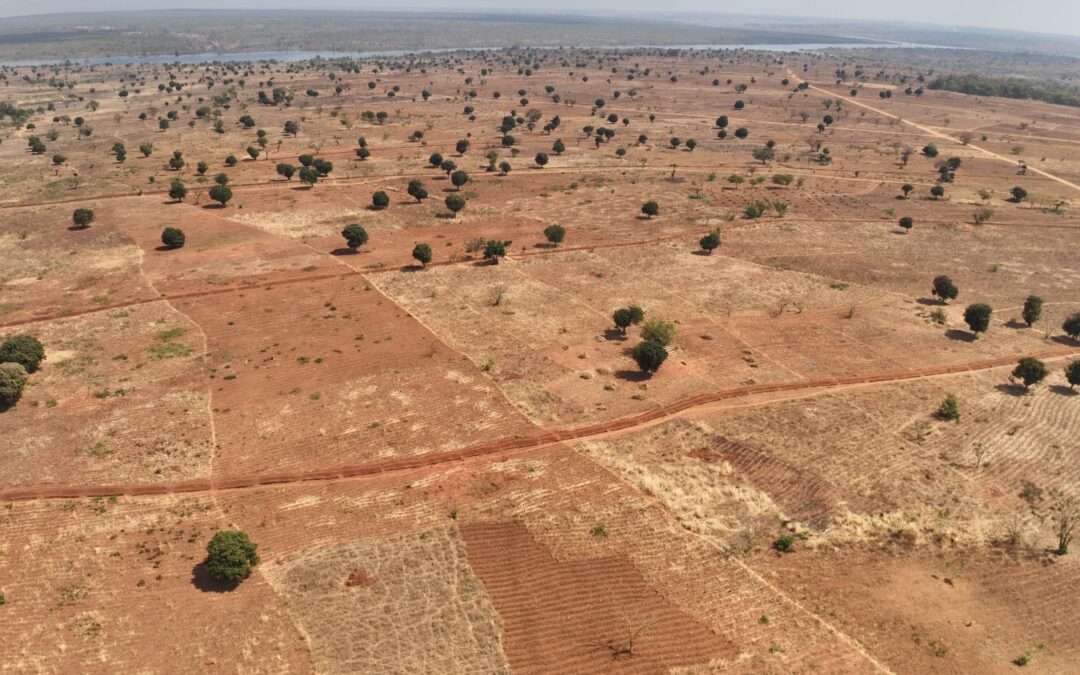
Between 2015 and 2019, 100 million hectares of healthy, productive land were degraded—an area equivalent to twice the size of Greenland. This degradation affected the livelihoods of 1.3 billion people (UNCCD).
When land is degraded or affected by drought, it loses its ability to sustain plant and animal life, including crops and livestock, and to perform essential ecosystem functions. Land and water are fundamental to food systems, providing the resources needed to produce food through agriculture and livestock farming. Land degradation therefore has a direct impact on agricultural production and, consequently, on food systems as a whole.
Agroecology offers a powerful approach to addressing many of the major challenges facing today’s agricultural and food systems, including vulnerability to climate change, biodiversity loss, land degradation, soil carbon loss, environmental pollution and water scarcity.
We will be participating in COP 17 in Ulaanbaatar, Mongolia (17–28 August), with a delegation representing the Secretariat, member organizations and countries. Through our side events and interventions, we will advocate for the transformation of food systems through agroecology, particularly in the context of desertification and drought.
For the first time at COP, a Food Systems and Soil Health Day will take place on 27 August, co-organized by the Agroecology Coalition and other partners. The day will provide a dedicated space to discuss key issues, including the impact of food systems on desertification and how agroecology can contribute to adapting to increasing drought.
We invite you to flick through our COP 17 Guide to discover more about our mission, activities and engagement in Ulaanbaatar.